

Brazilian regranter
promoting climate action,
democracy and justice
through strategic
communications.
Transforming realities starts
with transforming conversations.
ICCI - Institute for Culture, Communications and Impact understands strategic communication as a central resource to promote advances in the climate, democracy and justice agendas, and works to strengthen an ecosystem of robust initiatives, with the potential to drive public policies and private actions capable of promoting concrete and positive changes in these areas.
News
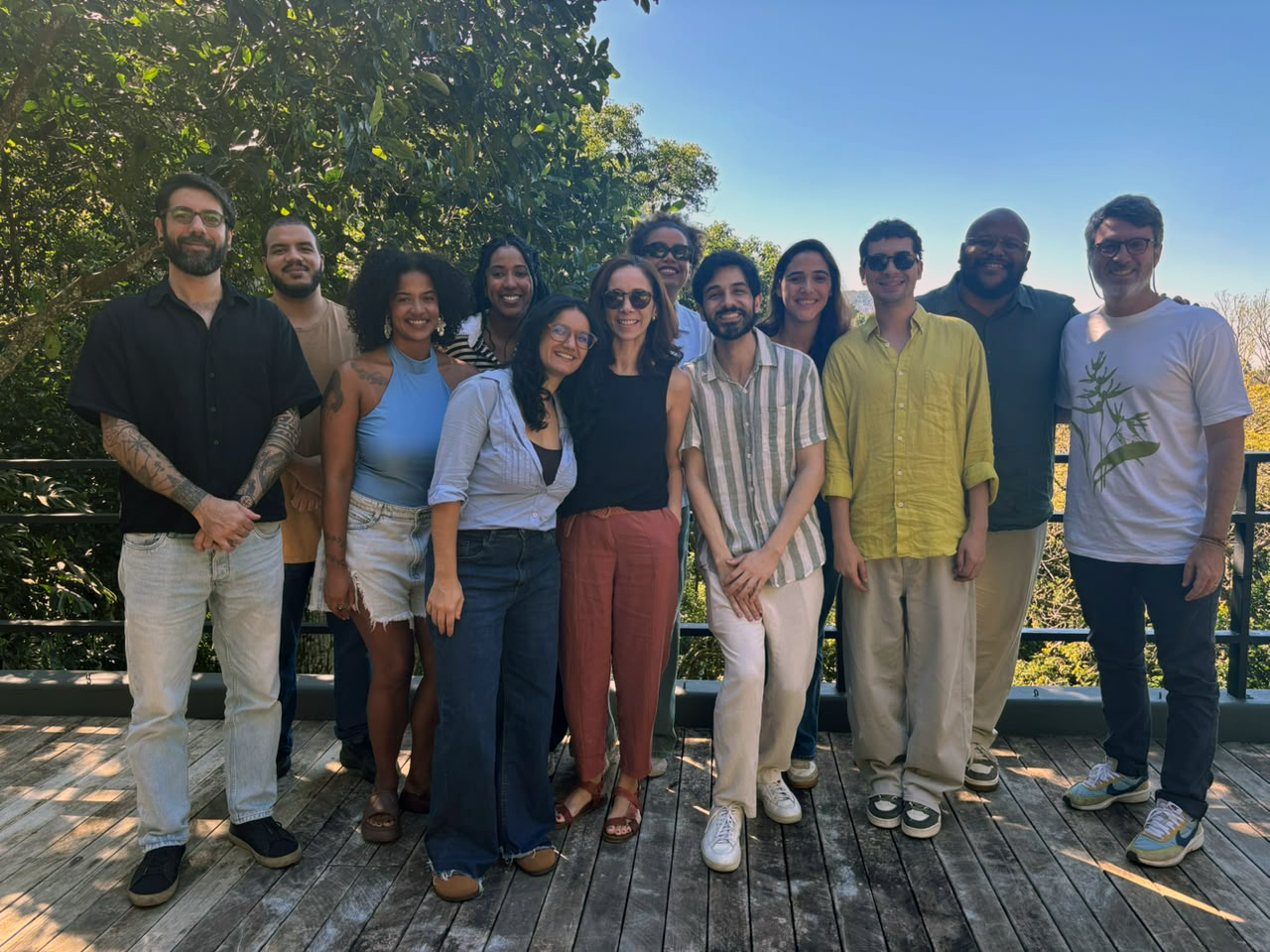
Over two days of strategic planning, the team shared perspectives, built a common understanding of the context ahead and developed an action plan to guide ICCI’s next steps.
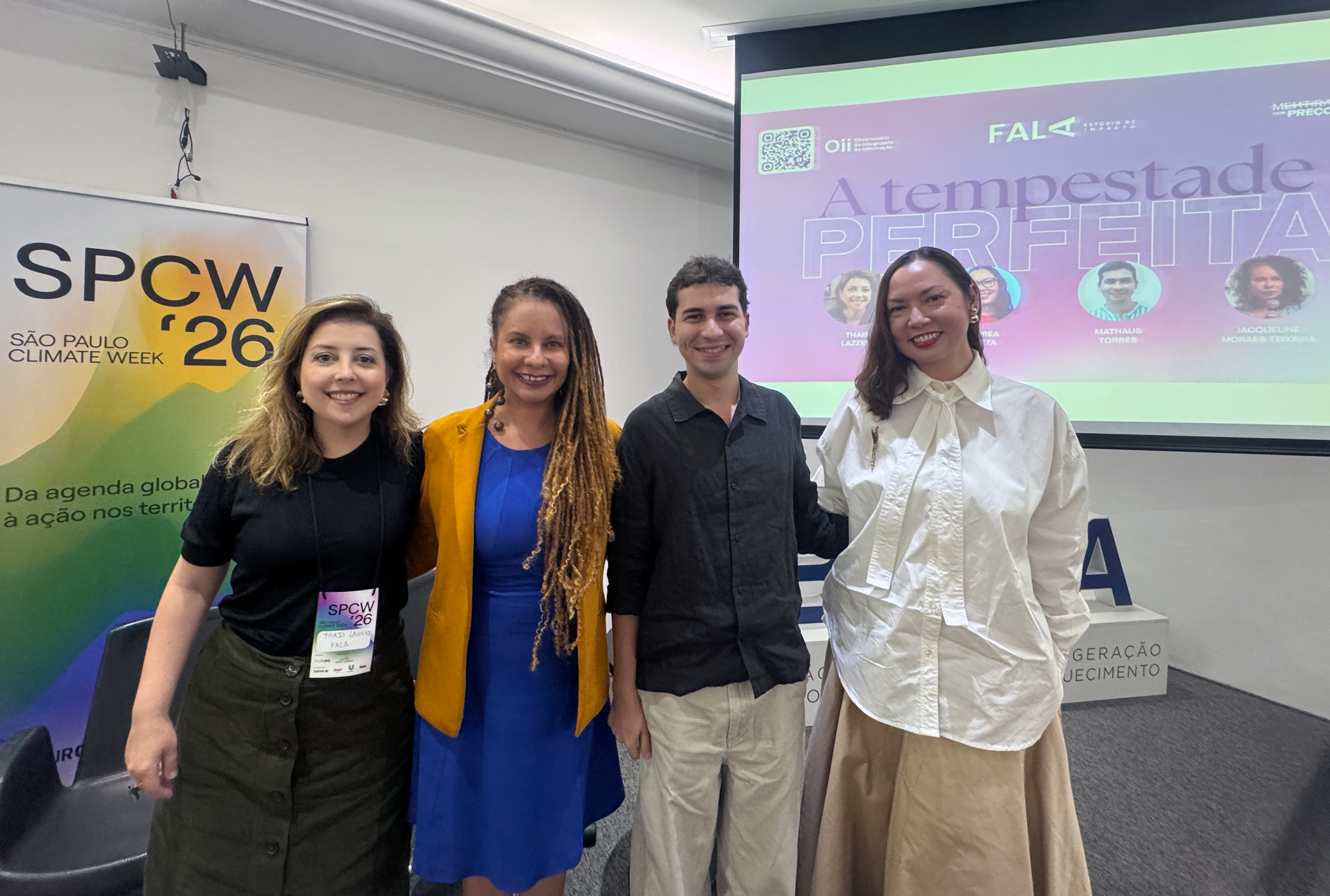
At a FALA-hosted panel during São Paulo Climate Week, ICCI’s Mathaus Torres argued that listening, trust, dialogue, and people’s lived experiences are essential to climate communication in a context shaped by polarization, artificial intelligence, and growing tensions around information.
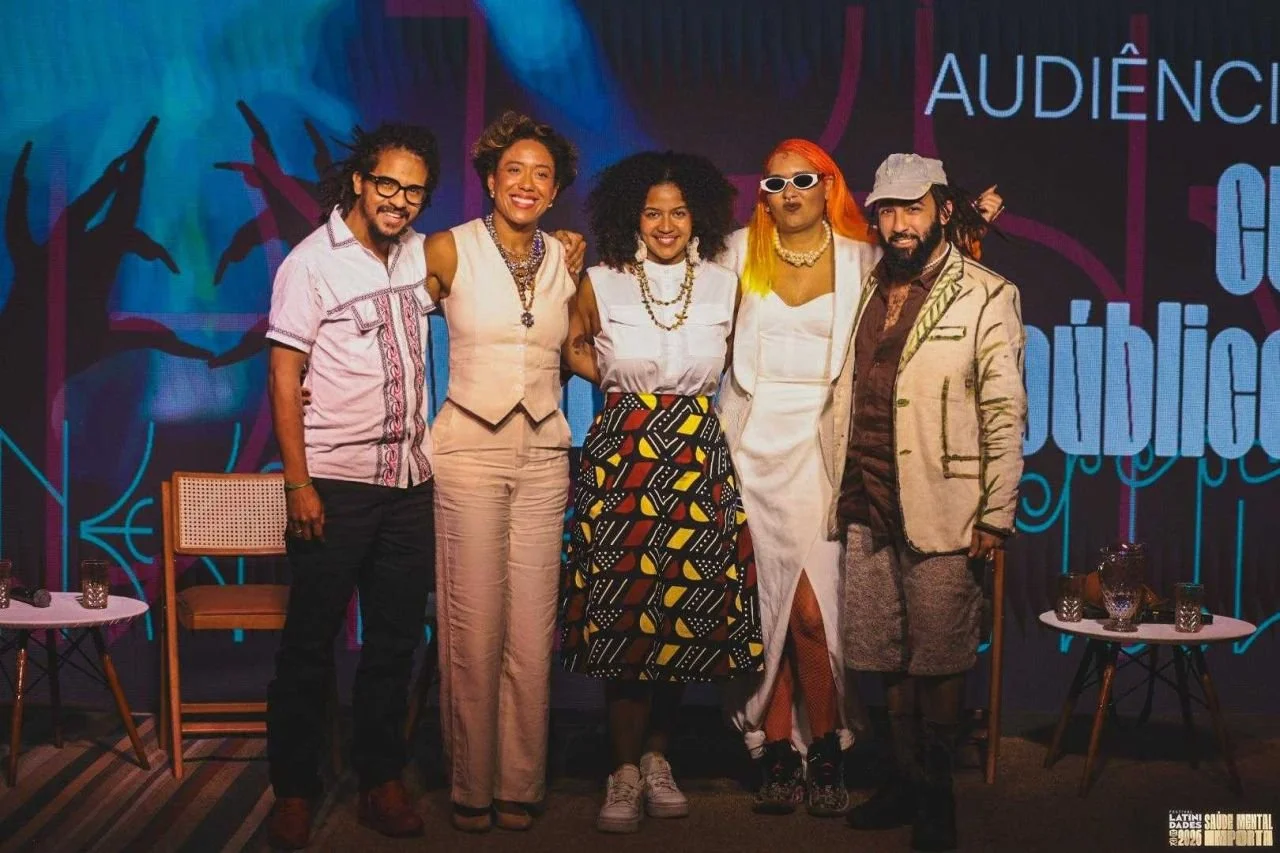
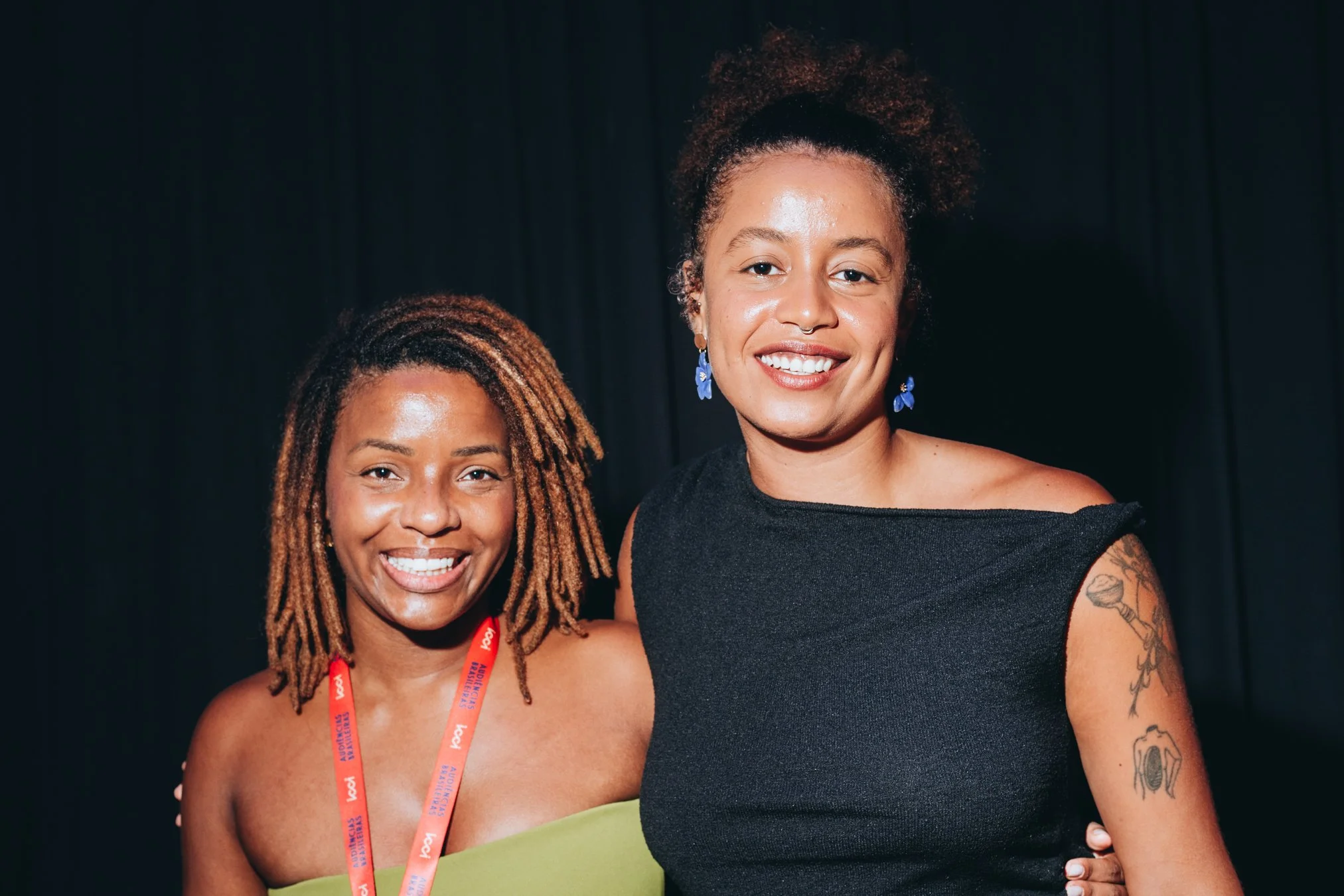
At Festival Latinidades, ICCI’s Taiane de Bittencourt moderated a conversation with leaders from four of Brazil’s major Black culture festivals about the intentional work behind growing audiences and sustaining communities.
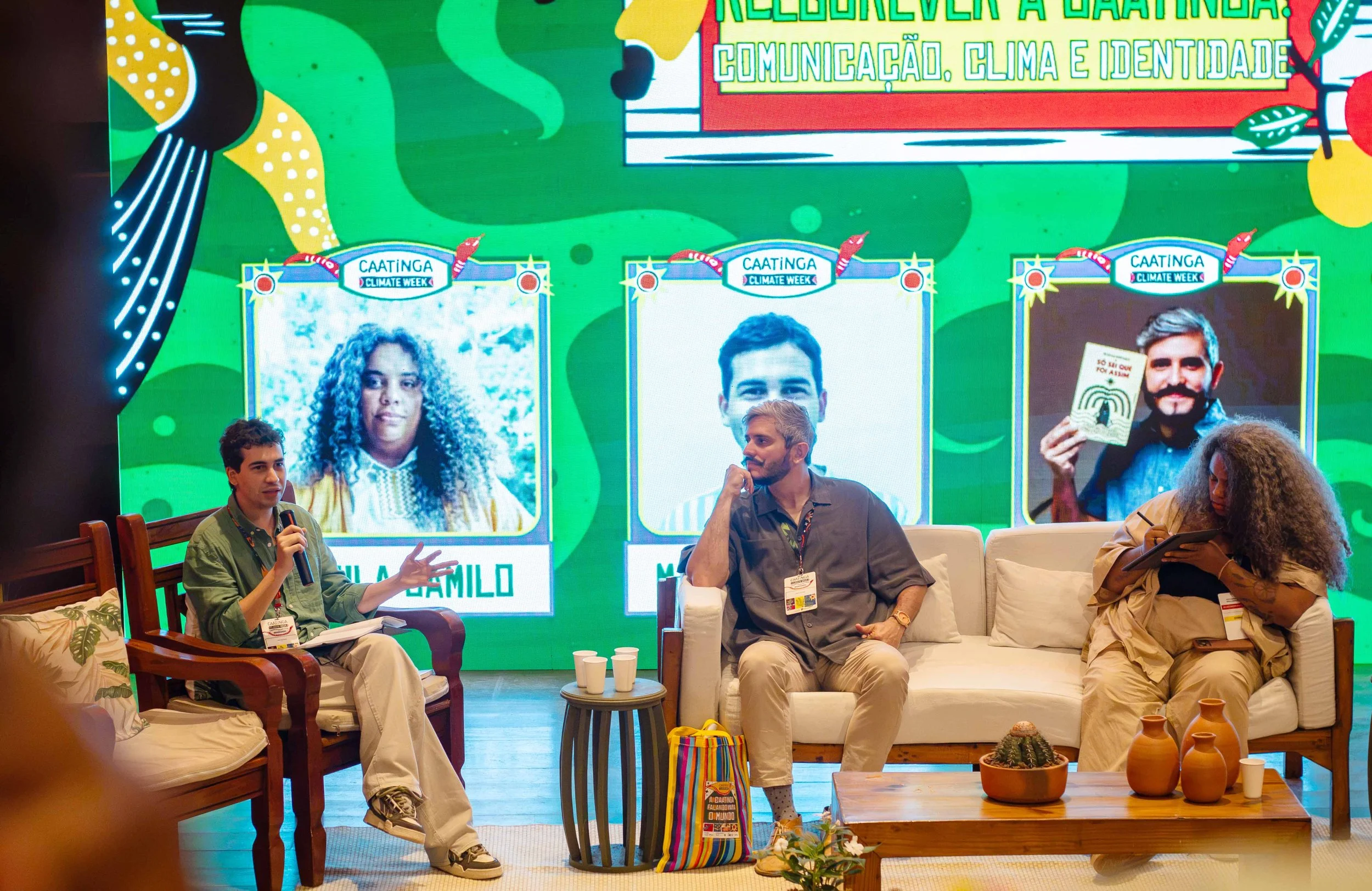
The event explored how knowledge rooted in Brazil’s only biome found nowhere else in the world can help shape responses to the climate crisis while positioning the Caatinga as a voice in the global climate conversation. ICCI took part in the program by visiting community-led initiatives and joining the panel “Rewriting the Caatinga: Communications, Climate, and Identity.”
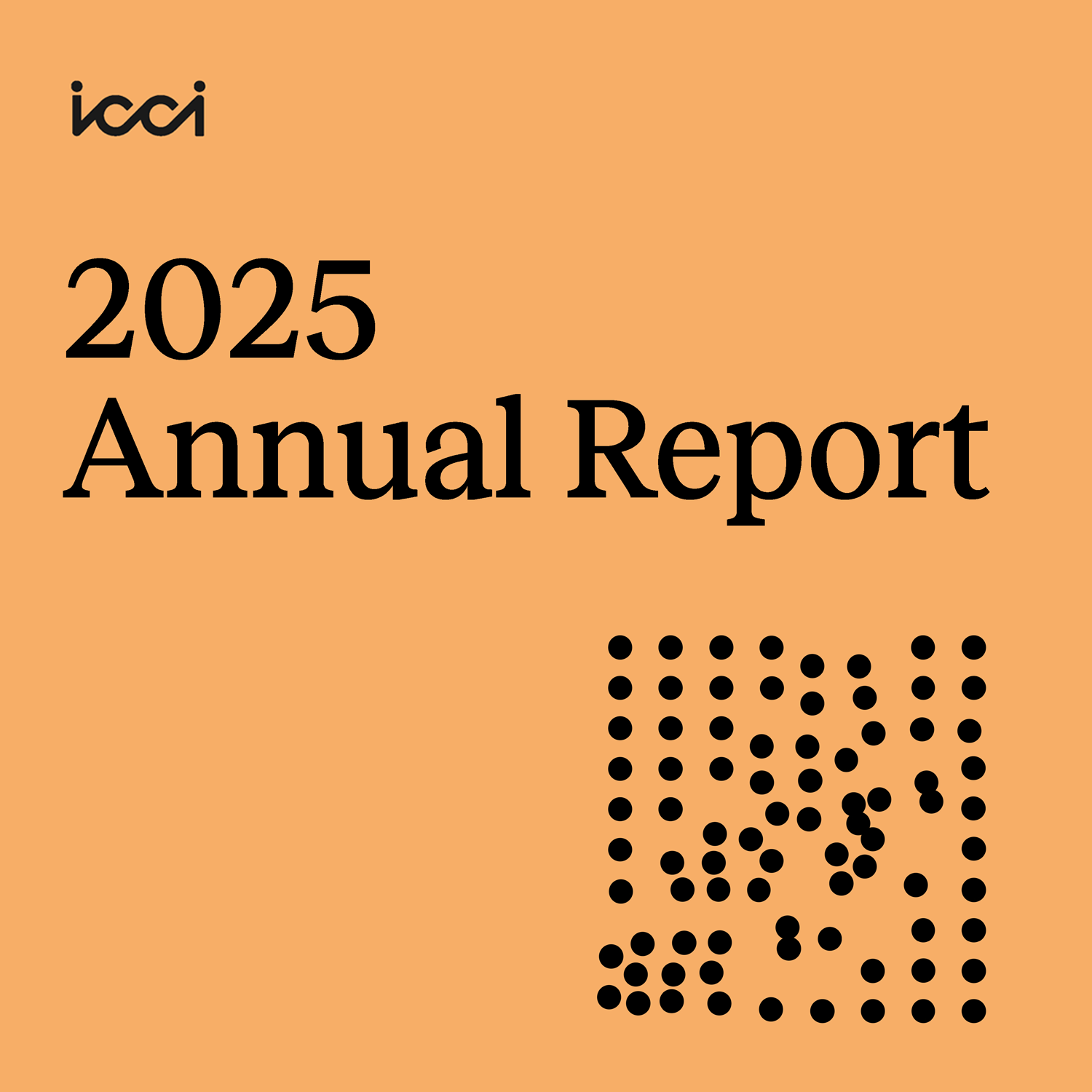
The publication presents the big numbers behind ICCI’s first year providing direct financial support to organizations and shares the stories of people who demonstrate, in practice, that transforming realities starts with transforming conversations.
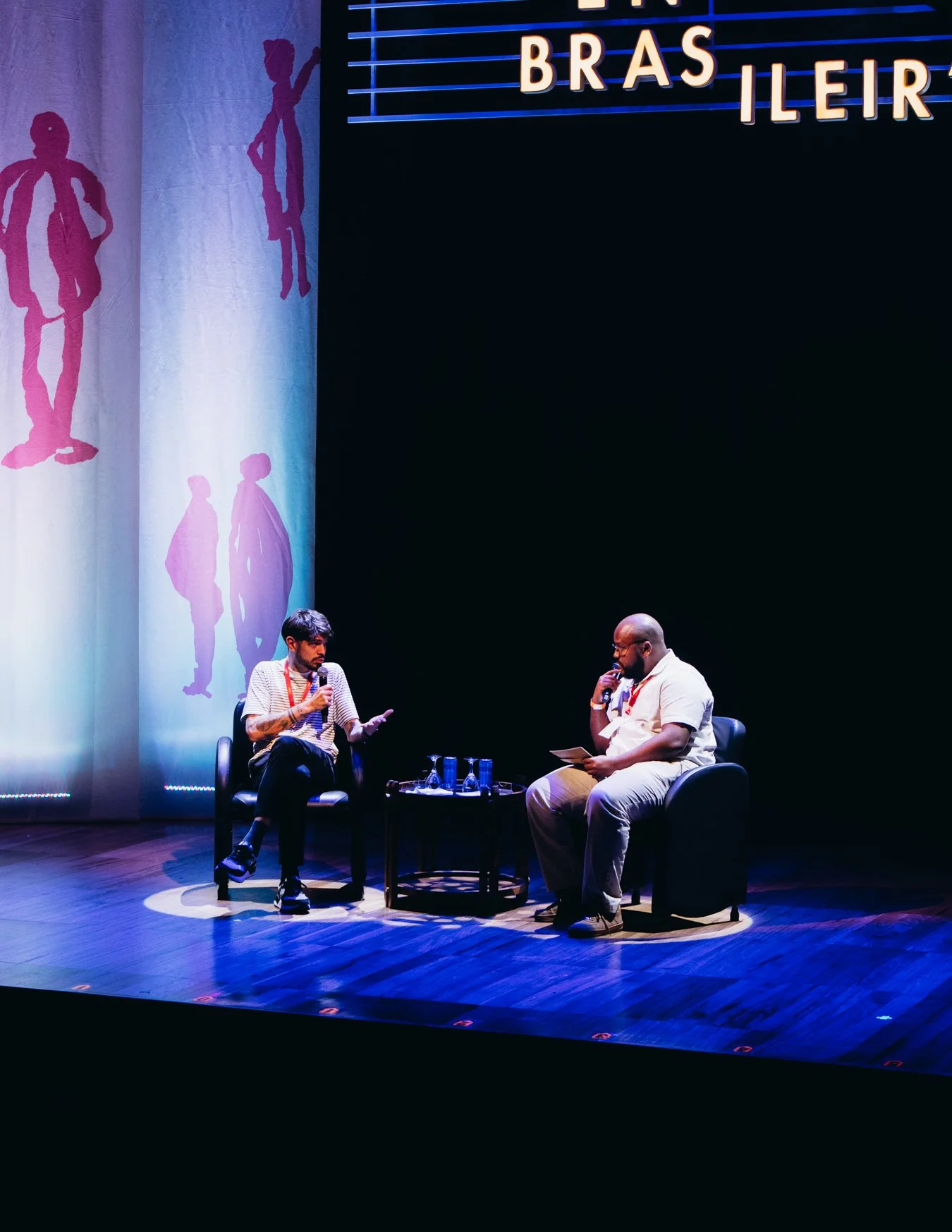
During “Brazilian Audiences,” Felipe Alfieri discussed digital behavior, audience fragmentation, and the challenges of engaging Gen Z in conversations about climate, democracy, and justice
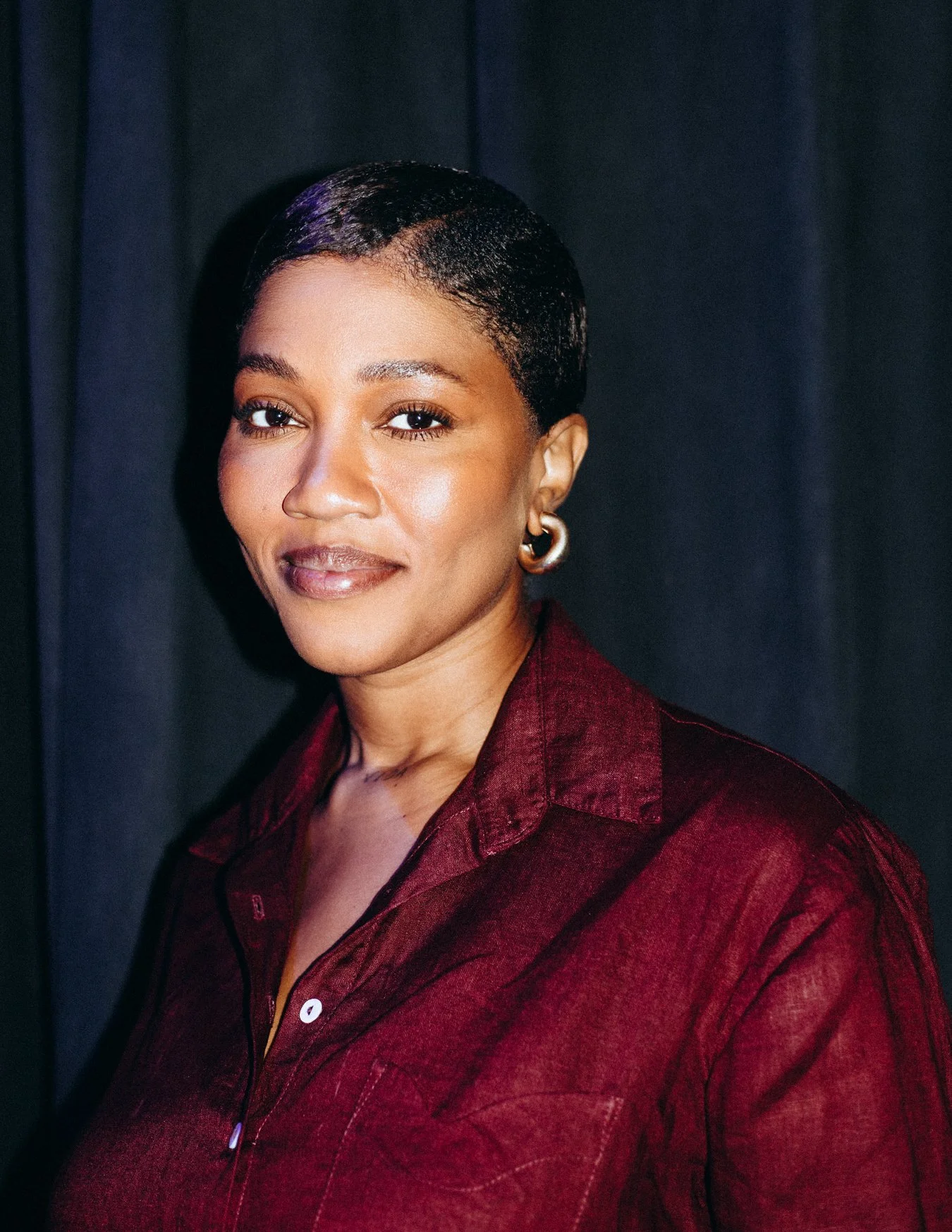
At the “Brazilian Audiences” event, the singer and songwriter looks back on her trajectory and explores how her creative process gives shape to what often has yet to find language.
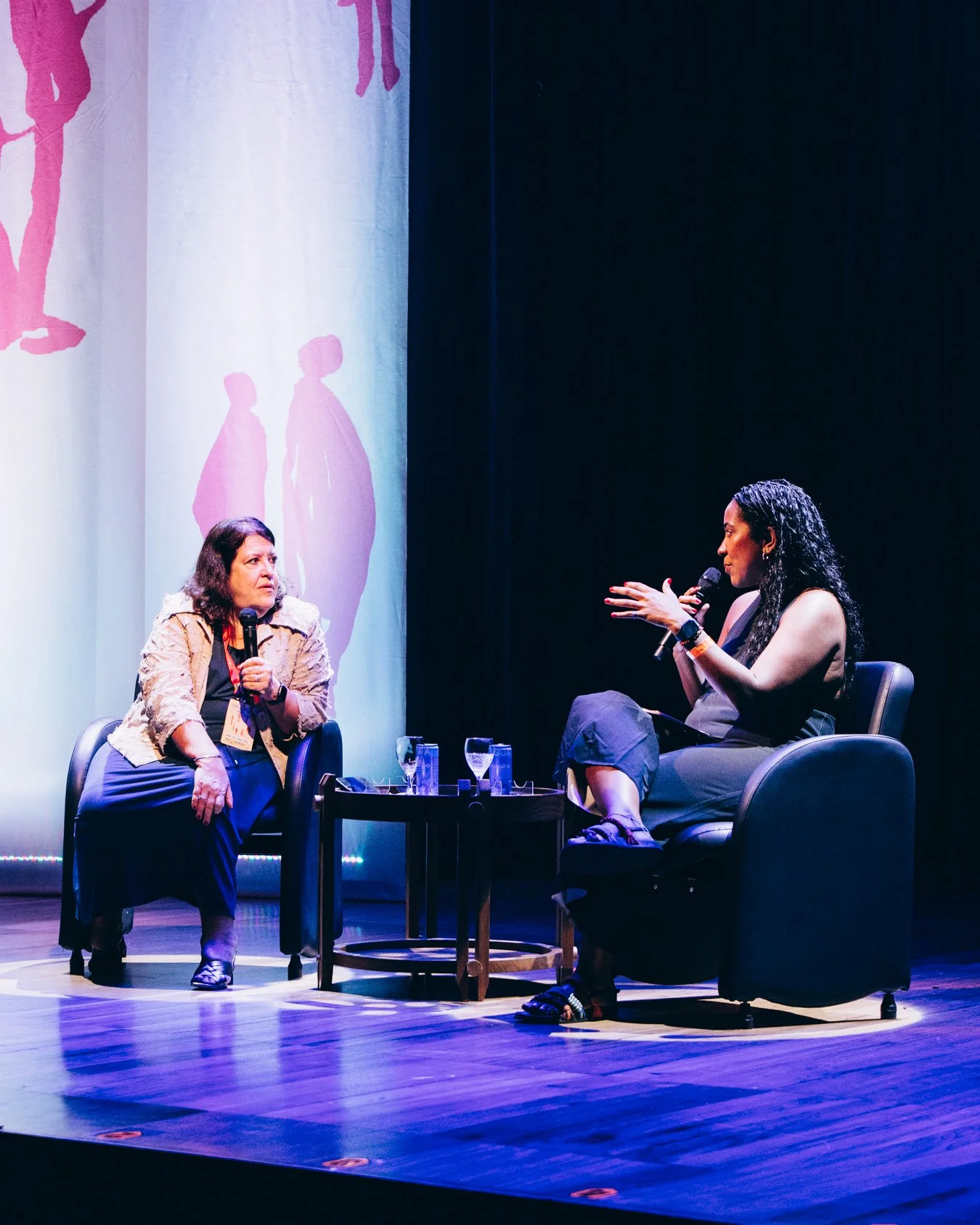
The Ipos-Ipec director says traditional methods no longer fully capture influence, engagement, and how public opinion is shaped.
The journalist explores how women in Brazil’s urban peripheries shape audiences rooted in place and identity.
The event brought together panelists and a specialized audience to discuss the challenges of an increasingly complex, fragmented, and uneven fight for attention.
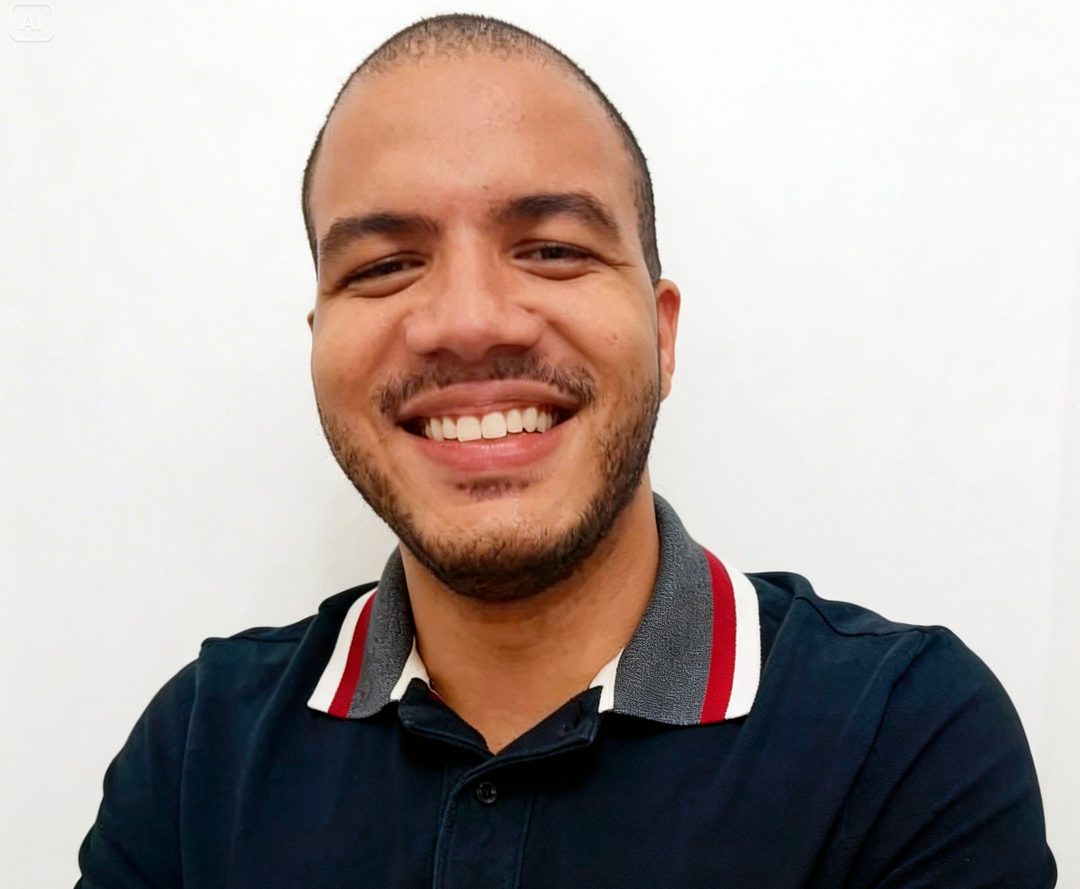
Patrick completed a technical program in Business Administration and is currently pursuing a degree in Systems Analysis and Development. He has experience working with strategic partners across the public, private, and nonprofit sectors and spent over two years working at INCAvoluntário.
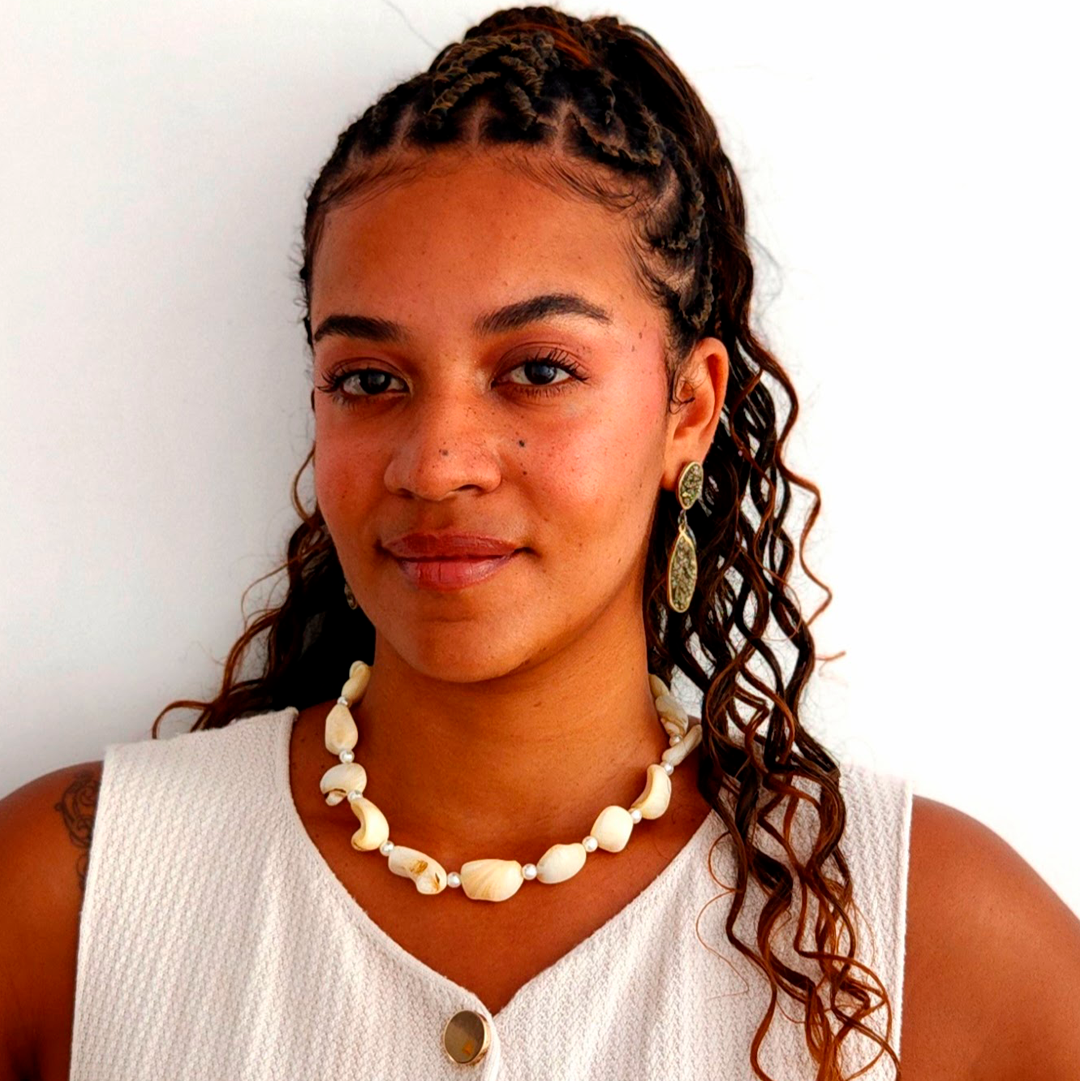
Taiane holds a degree in International Relations from the Federal University of Rio Grande do Sul and is a facilitator specializing in social and climate impact initiatives, with extensive experience leading programs.
Over two days of strategic planning, the team shared perspectives, built a common understanding of the context ahead and developed an action plan to guide ICCI’s next steps.
At a FALA-hosted panel during São Paulo Climate Week, ICCI’s Mathaus Torres argued that listening, trust, dialogue, and people’s lived experiences are essential to climate communication in a context shaped by polarization, artificial intelligence, and growing tensions around information.
At Festival Latinidades, ICCI’s Taiane de Bittencourt moderated a conversation with leaders from four of Brazil’s major Black culture festivals about the intentional work behind growing audiences and sustaining communities.
The event explored how knowledge rooted in Brazil’s only biome found nowhere else in the world can help shape responses to the climate crisis while positioning the Caatinga as a voice in the global climate conversation. ICCI took part in the program by visiting community-led initiatives and joining the panel “Rewriting the Caatinga: Communications, Climate, and Identity.”
The publication presents the big numbers behind ICCI’s first year providing direct financial support to organizations and shares the stories of people who demonstrate, in practice, that transforming realities starts with transforming conversations.
During “Brazilian Audiences,” Felipe Alfieri discussed digital behavior, audience fragmentation, and the challenges of engaging Gen Z in conversations about climate, democracy, and justice
At the “Brazilian Audiences” event, the singer and songwriter looks back on her trajectory and explores how her creative process gives shape to what often has yet to find language.
The Ipos-Ipec director says traditional methods no longer fully capture influence, engagement, and how public opinion is shaped.
The journalist explores how women in Brazil’s urban peripheries shape audiences rooted in place and identity.
The event brought together panelists and a specialized audience to discuss the challenges of an increasingly complex, fragmented, and uneven fight for attention.
Patrick completed a technical program in Business Administration and is currently pursuing a degree in Systems Analysis and Development. He has experience working with strategic partners across the public, private, and nonprofit sectors and spent over two years working at INCAvoluntário.
Taiane holds a degree in International Relations from the Federal University of Rio Grande do Sul and is a facilitator specializing in social and climate impact initiatives, with extensive experience leading programs.
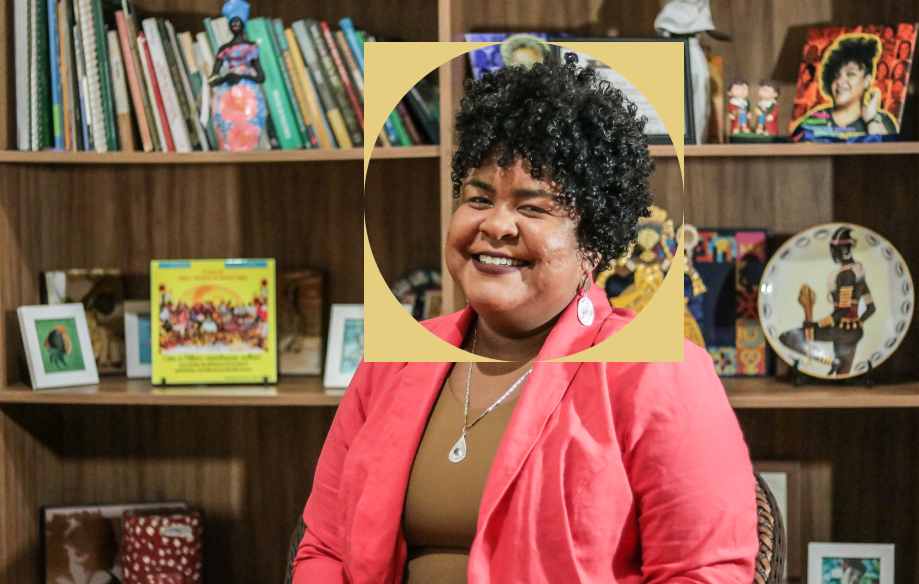
"They instilled in me a love for Blackness and everything that comes with it." Alane Reis traces a journey that begins in Bahia, takes shape within Black women's movements, and culminates in her work leading communications for the Marcha das Mulheres Negras, which brought around 300,000 people to the streets of Brasília.

Ronan Lima reflects on how Movimento Negro Evangélico (MNE) promotes antiracist practices within and beyond church life, while mobilizing evangelical communities to engage with climate justice and understand the political dimensions of the catastrophes and emergencies shaping this agenda.
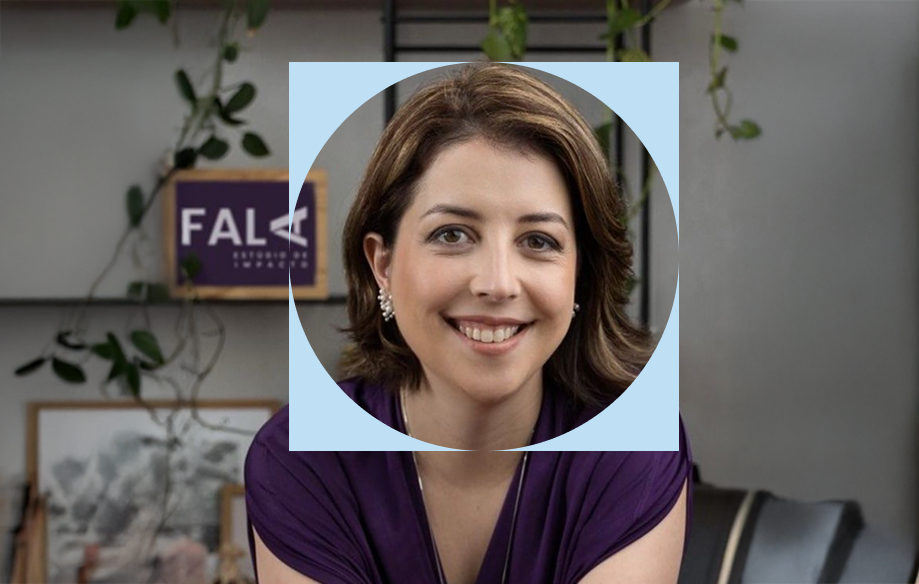
Reflecting on climate disinformation, Lazzeri discusses the landmark moment when information integrity became recognized as essential to effective climate governance and was included, for the first time, in the COP's final outcome document, opening the door to more strategic conversations on the issue.
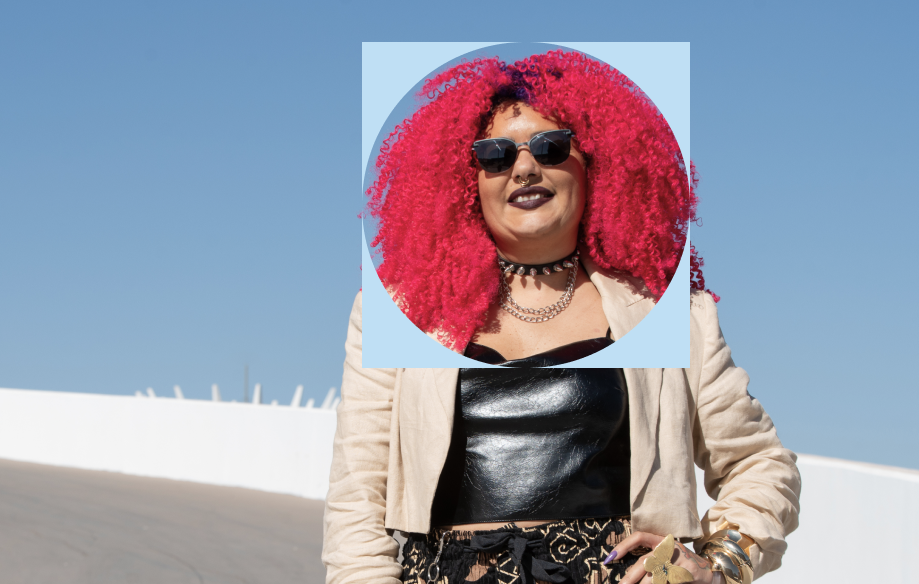
President of Instituto Afrolatinas, Jaqueline Fernandes reflects on why the Marcha das Mulheres Negras chose culture as a central pillar of its mobilization strategy and how that decision helped translate complex issues into narratives that resonated with diverse audiences.

For this ISER researcher, to speak of religiosity in Brazil is, ultimately, to speak of the country itself. Examining today's landscape of religious diversification and transition, she explores how these transformations help explain the growing role of faith communities in areas such as politics, culture, and the audiovisual sector.

Founder and director of Instituto Psica, Jeft Dias reflects on how the intersection of art, politics, and culture can help us relearn the future. A learning rooted in Amazonian peoples, who for generations have rehearsed ways of living with the forest, with time, and with one another.
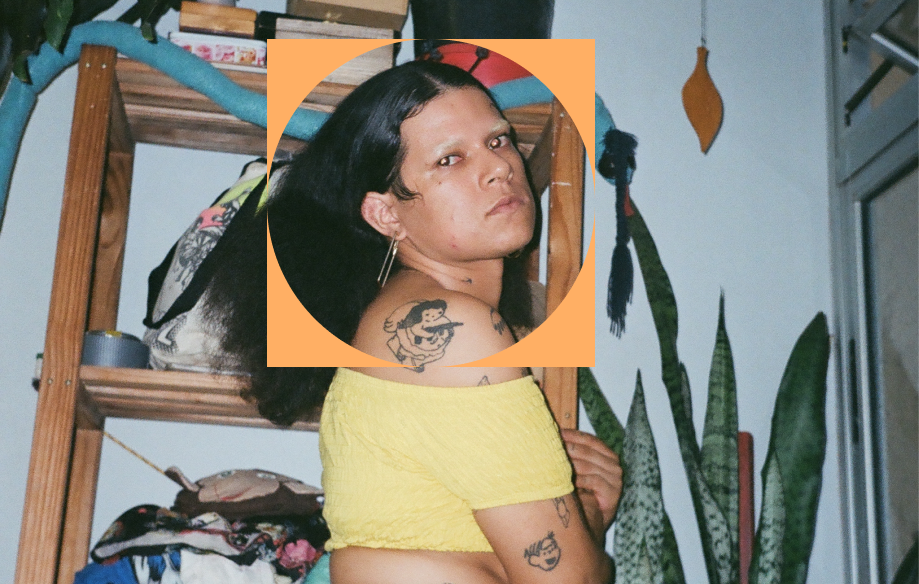
Yná Kabe Rodríguez Olfenza reflects on how ballroom culture was woven into the Marcha das Mulheres Negras por Reparação e Bem Viver, revealing the transformative power of bringing together Black cisgender women, transgender women, and travestis.

Executive Director of Novas Narrativas Evangélicas, with a master's degree in digital communication, Petersen reflects on building new narratives by inhabiting the cracks of oppressive systems and on the possibility of living a faith and spirituality grounded in justice, diversity, and collective dreams.
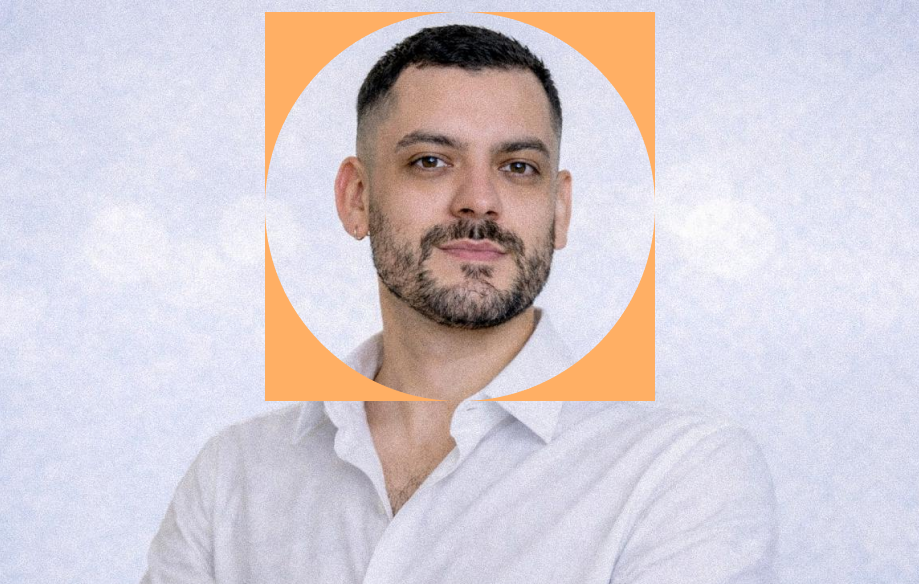
Founder of Tapajós de Fato and an advisor to the COP30 Committee, Pedroso reflects on why the climate crisis must be understood not only as a scientific and environmental issue, but also as a social, economic, and political reality that shapes people's everyday lives.
Stories
"They instilled in me a love for Blackness and everything that comes with it." Alane Reis traces a journey that begins in Bahia, takes shape within Black women's movements, and culminates in her work leading communications for the Marcha das Mulheres Negras, which brought around 300,000 people to the streets of Brasília.
Ronan Lima reflects on how Movimento Negro Evangélico (MNE) promotes antiracist practices within and beyond church life, while mobilizing evangelical communities to engage with climate justice and understand the political dimensions of the catastrophes and emergencies shaping this agenda.
Publications
The publication presents the big numbers behind ICCI’s first year providing direct financial support to organizations and shares the stories of people who demonstrate, in practice, that transforming realities starts with transforming conversations.
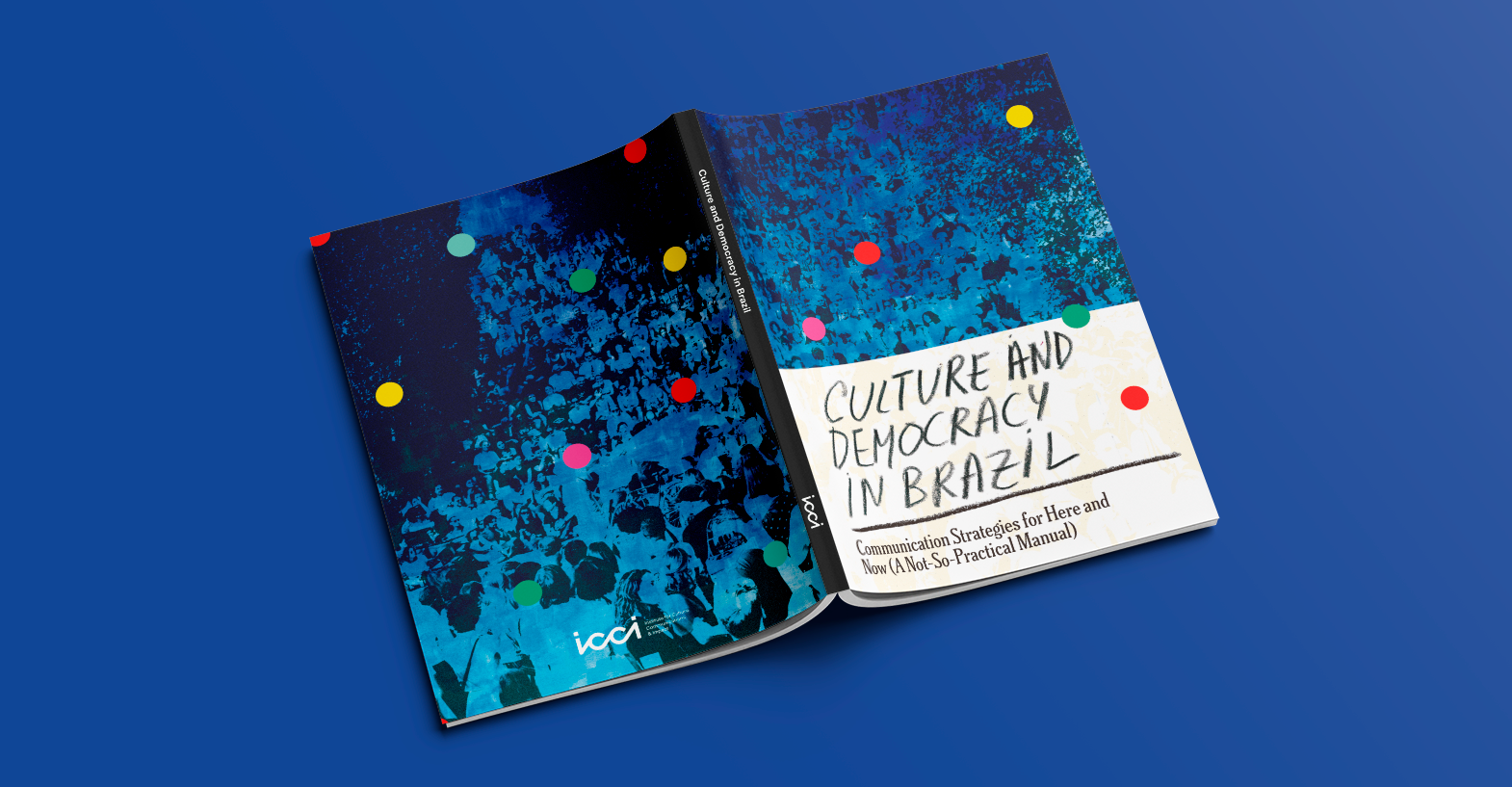
Presented as a “(Not-So-Practical) Manual”, the publication offers pathways that demonstrate the power of culture to strengthen democracy and advance social justice.
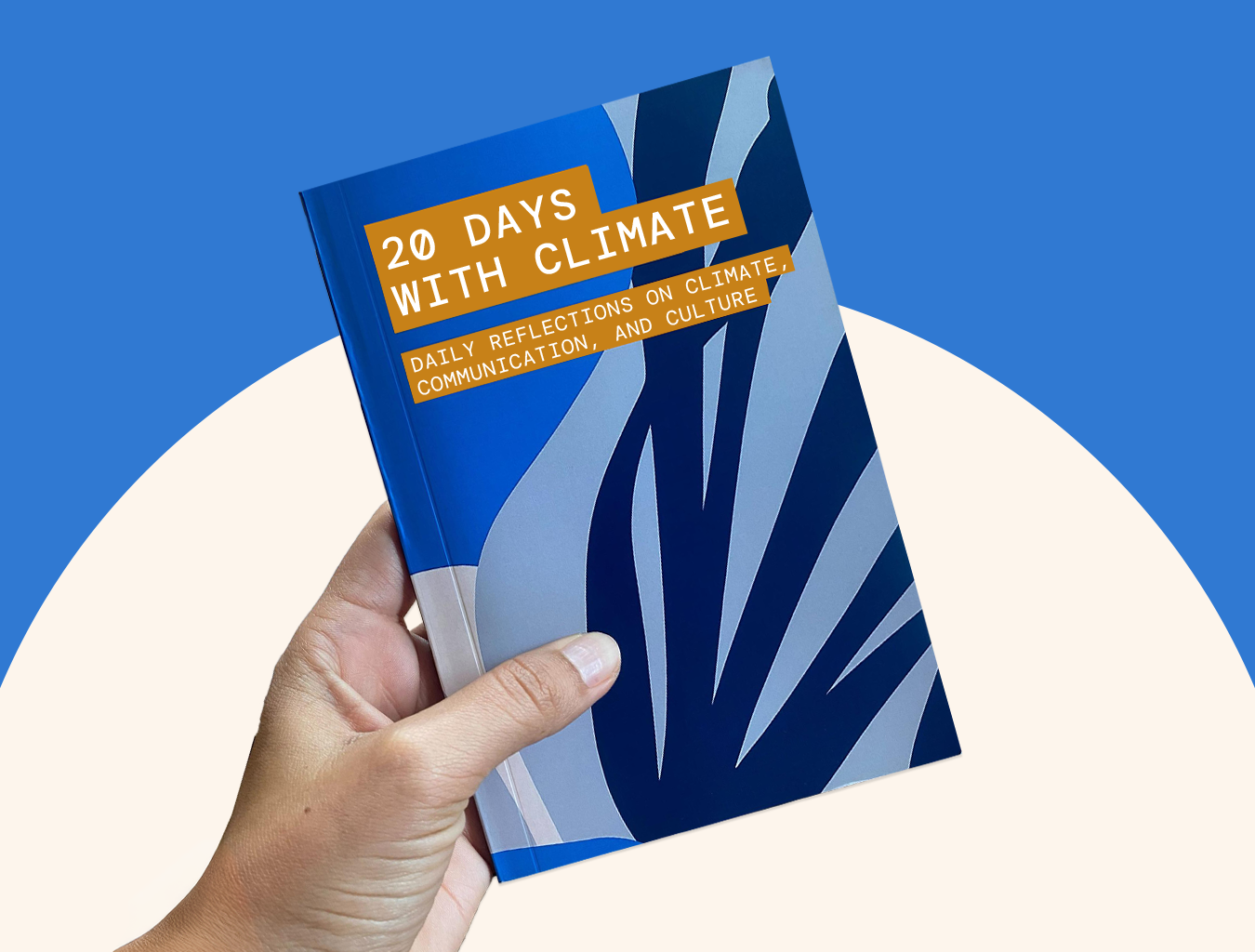
"20 Days With Climate" invites readers to explore multiple perspectives on climate and communications. This publication serves as your passport into the room where leaders from the climate communications ecosystem gathered to discuss the future of the climate agenda in Brazil.
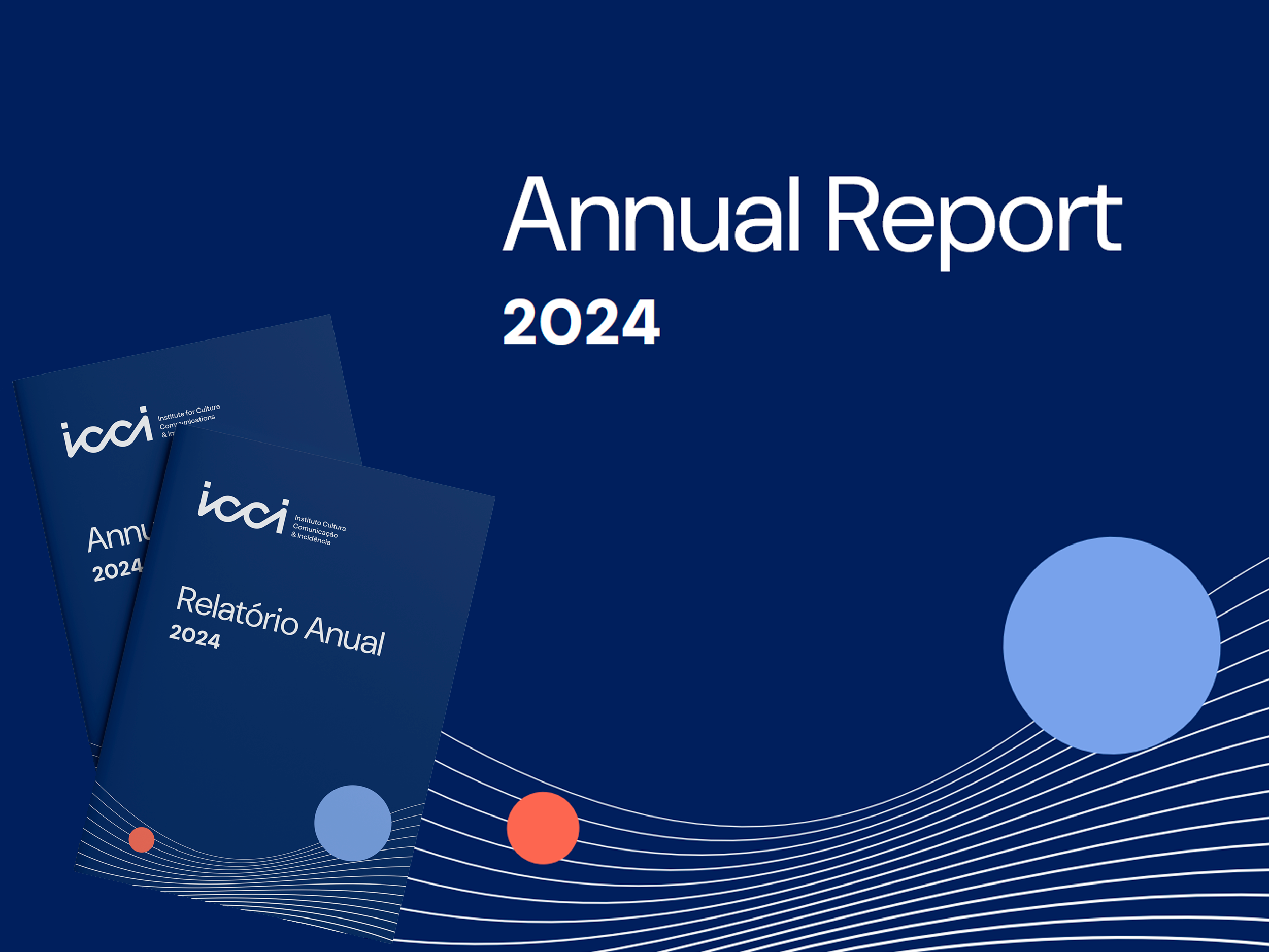
Learn about the motivations behind ICCI’s creation and the strategies and guiding principles that shaped the Institute’s first full year of operations.