

Brazil’s leading Black culture festivals share what it takes to build lasting audiences
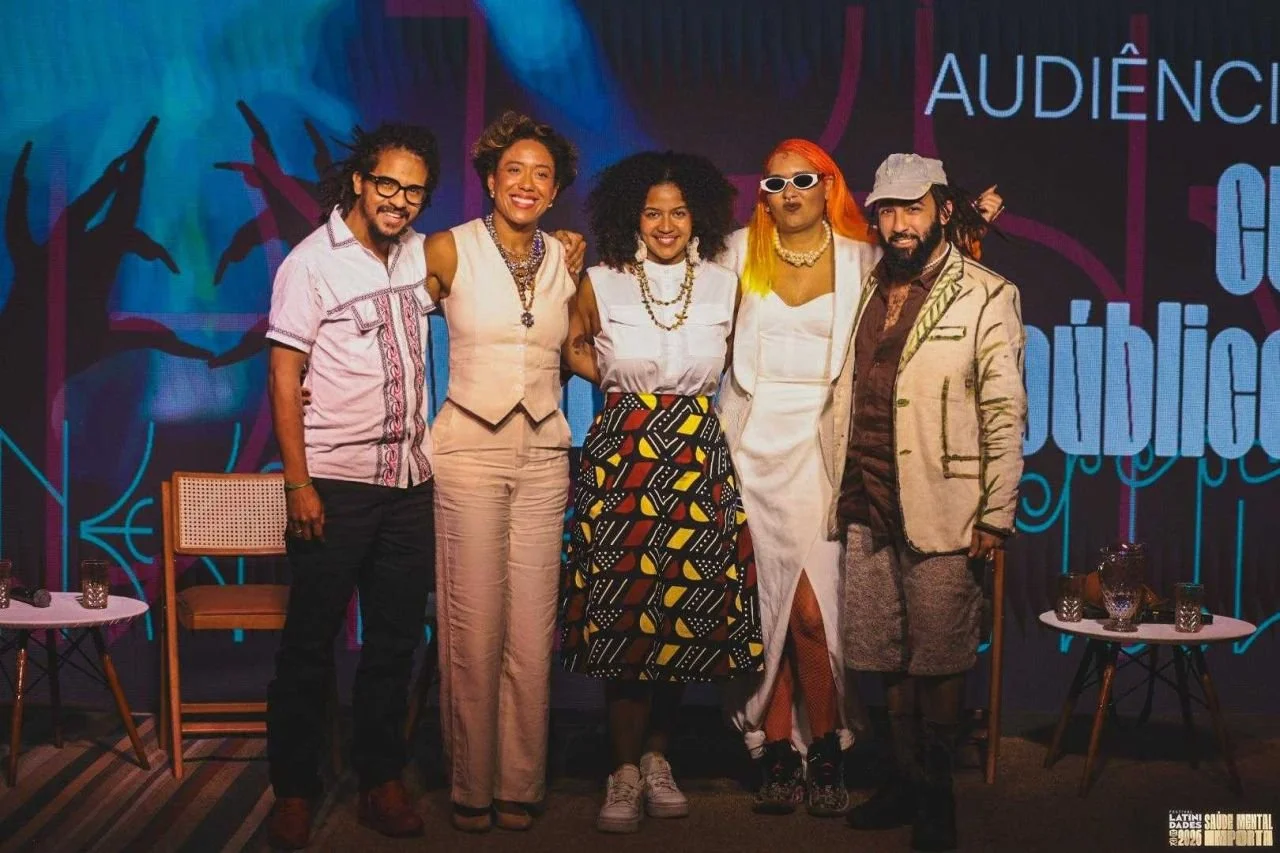
Jeft Dias, Rose Sousa, Taiane de Bittencourt, Jaqueline Fernandes and Artur Santoro.
Photo: Webert da Cruz | Festival Latinidades
Festivals become much more than just events when they bring together music, artistic expression, and a strong sense of place. By creating shared experiences, they foster belonging, build lasting connections year after year, and reinforce a sense of community.
That perspective set the stage for the panel “Brazilian Audiences: Black Culture, Building Belonging, and Purpose,” held this month during Festival Latinidades. Bringing together leaders from some of Brazil’s major Black culture festivals and platforms, the discussion explored how they build and sustain audience engagement.
The panel was moderated by ICCI’s Partnerships Coordinator, Taiane de Bittencourt, and brought together Artur Santoro of Batekoo, Jaqueline Fernandes of Festival Latinidades, Jeft Dias of Festival Psica, and Rose Sousa of Afropunk.
As the conversation unfolded, the speakers reflected on how the festivals they help lead have built and sustained their audiences over the years. They also discussed the challenges of funding and long-term sustainability, sharing examples that revealed the careful planning behind each edition. That work is deliberate, shaped by audience research, community management, and social listening.
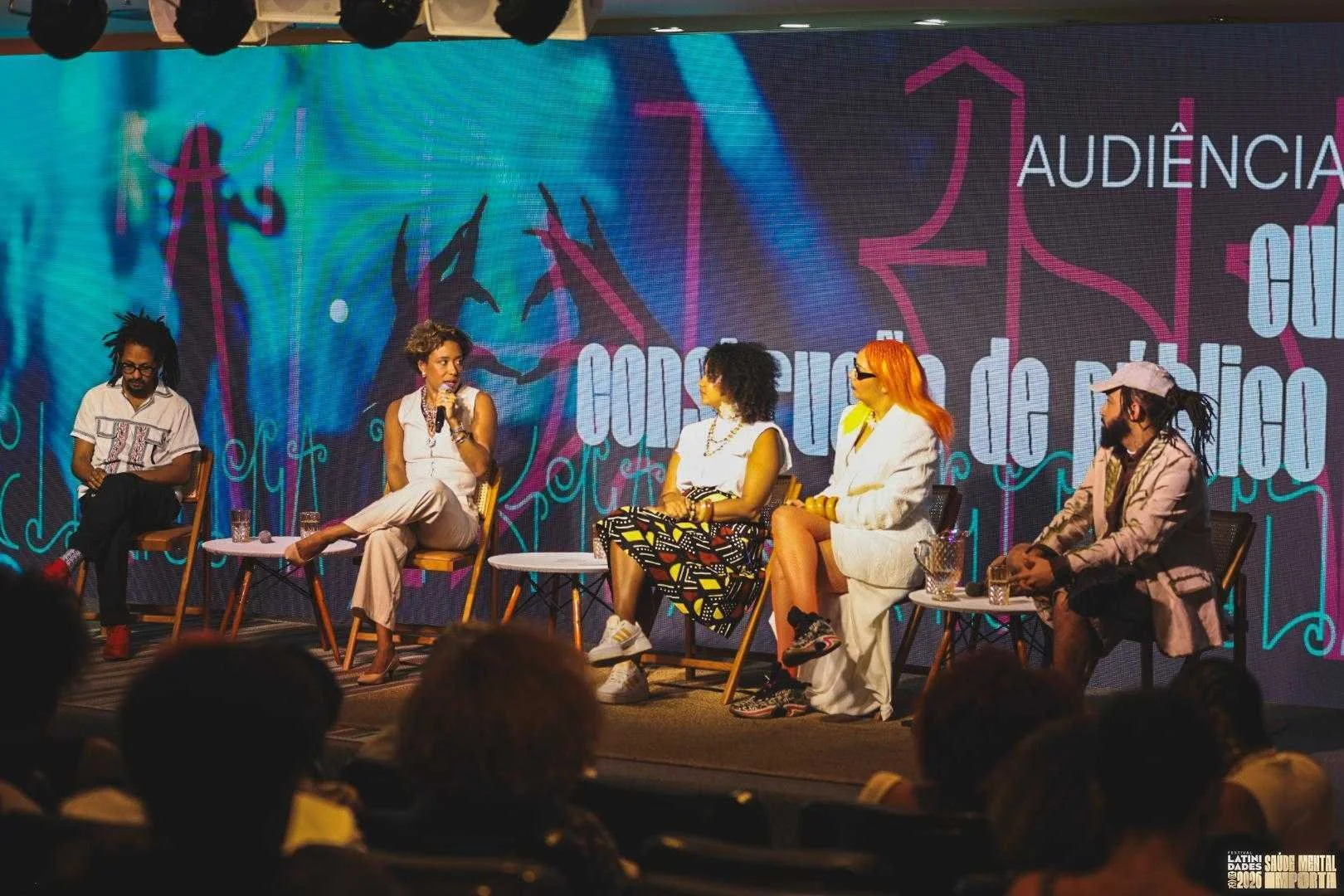
Photo: Webert da Cruz | Festival Latinidades
Despite their different paths, the conversation revealed a common thread: each festival has built a distinct and widely recognized identity while remaining closely attuned to its audience. Across them all, there is a shared commitment to creating experiences that make people feel seen and valued, with an impact that extends well beyond the festival itself and into the communities where it takes place.
One idea kept coming back throughout the conversation: culture shapes how we imagine the world. It influences public debate, reaches millions of people, and enables festivals like these to bring issues such as climate justice into their storytelling. By connecting those conversations to music, place, and the lived experiences of their audiences, they help make climate issues feel more immediate, relevant, and rooted in everyday life.