

Second Caatinga Climate Week brings together diverse voices to put the Caatinga at the center of the global climate conversation
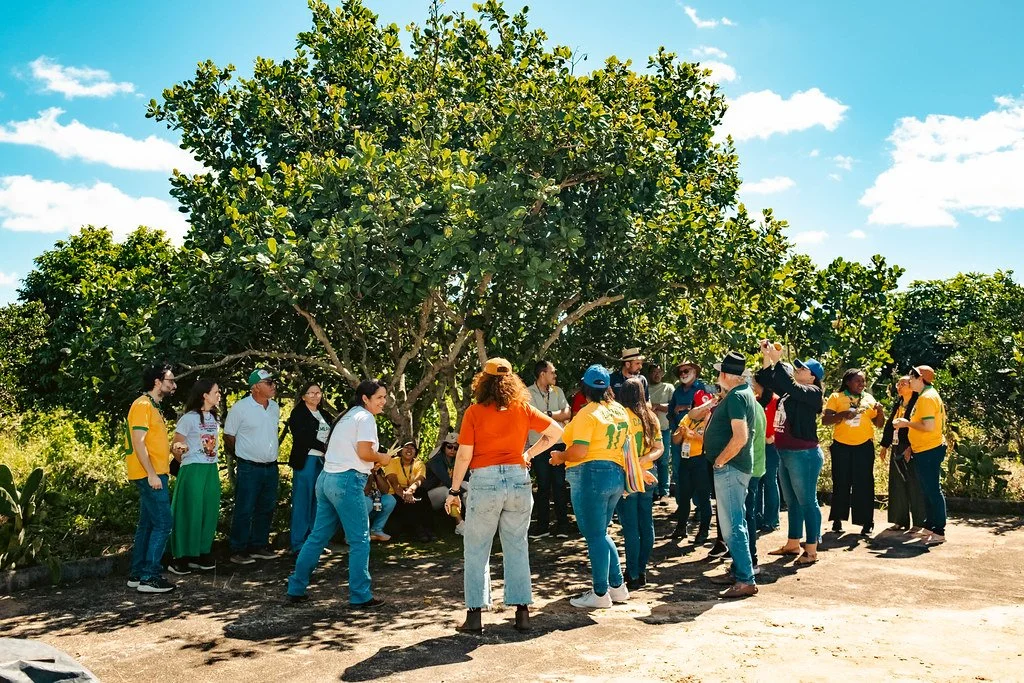
Photo: Thalys, The Creator | Caatinga Climate Week
Often associated with drought and scarcity, the Caatinga is Brazil’s only biome found nowhere else in the world. But reducing it to those images overlooks its broader significance. Beyond its critical role in climate resilience, the biome is home to generations of knowledge, innovation, and ways of living that offer valuable responses to the climate crisis.
For generations, Indigenous Peoples, traditional communities, and smallholder farmers have developed knowledge systems, community-based solutions, and practices that strengthen climate adaptation while protecting the biome and the people who depend on it.
That perspective shaped the second edition of Caatinga Climate Week, held from July 1–3. The event brought together community leaders, researchers, public officials, civil society organizations, and social movements to exchange knowledge, strengthen collaboration, and help place the Caatinga at the center of the climate conversation.
Organized by Centro de Desenvolvimento Agroecológico Sabiá (Centro Sabiá) and Instituto Socioambiental (ISA), the event went beyond discussing the impacts of the climate crisis. Its program highlighted solutions rooted in local knowledge, demonstrating how the communities living in the biome are already developing practical responses to today's environmental and social challenges.
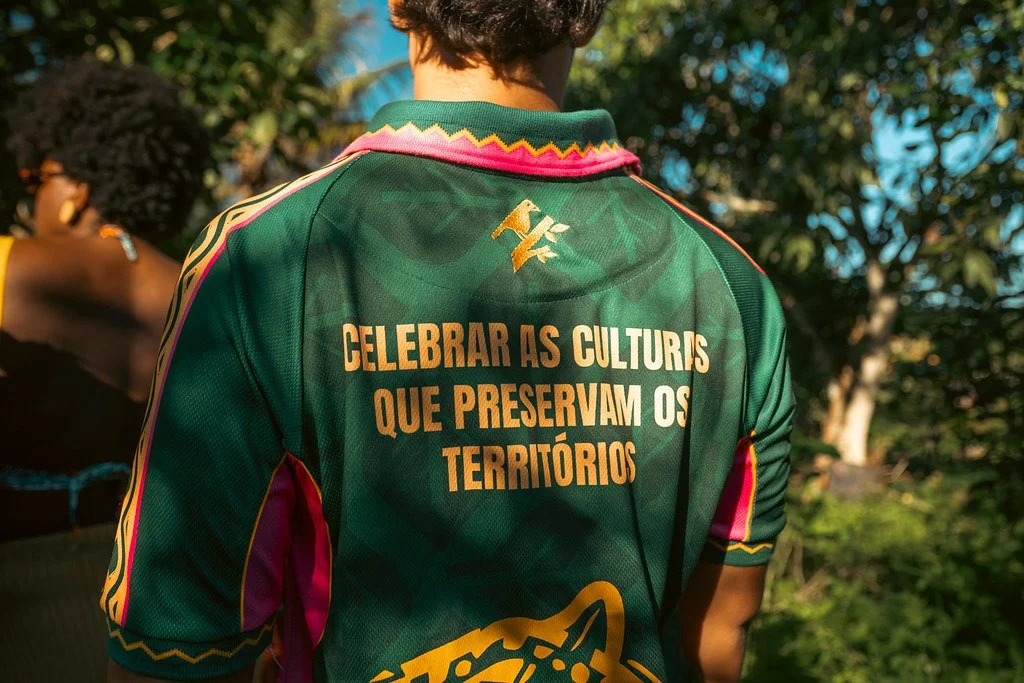
Photo: Berna | Caatinga Climate Week
Having participated in the first edition and supported the second, ICCI joined this year's event with the understanding that the people who live in the Caatinga have long been developing their own strategies for climate adaptation and mitigation.
That perspective challenges long-standing narratives that portray the Caatinga primarily through the lens of poverty and hardship. Events such as Caatinga Climate Week help shift those perceptions by highlighting the biome as a place of knowledge, innovation, and climate solutions.
As part of the program, ICCI visited community-led initiatives across Pernambuco, meeting with organizations and local leaders to better understand how communities are developing their own responses to inequality while building collective solutions grounded in local realities.
The program also featured discussions on communications and climate. Mathaus Torres, ICCI’s Programmatic Coordinator, joined the panel “Rewriting the Caatinga: Communications, Climate, and Identity” alongside writer and researcher Octávio Santiago, who holds a Ph.D. from the University of Minho (UMinho); Kamila Camilo, founder of Instituto Oyá and Creators Academy; and Sandra Raquew, a sociologist, Full Professor at the Federal University of Paraíba (UFPB), and author of several books, including “Comunicação no semiárido brasileiro”.

Photo: DOMAR | Caatinga Climate Week
The panel explored the narratives that have long shaped perceptions of the biome and why it matters to bring more voices into the conversation, expand the stories being told, and strengthen the Caatinga’s presence in public debate.
For decades, Brazil’s semiarid region has largely been portrayed through the lens of scarcity. The panel challenged that narrative, calling for communications shaped by the people of the Caatinga themselves and for recognizing the biome as a source of knowledge, innovation, and climate solutions.
The discussion also highlighted the importance of understanding different audiences to build stronger alignment across the socio-environmental field and develop communications strategies that resonate with broader sectors of society.
To learn more about Caatinga Climate Week and explore the discussions and activities that shaped this year’s edition, visit the event’s official website.