

Climate solutions that begin in place: a conversation with Marcos Wesley Pedroso
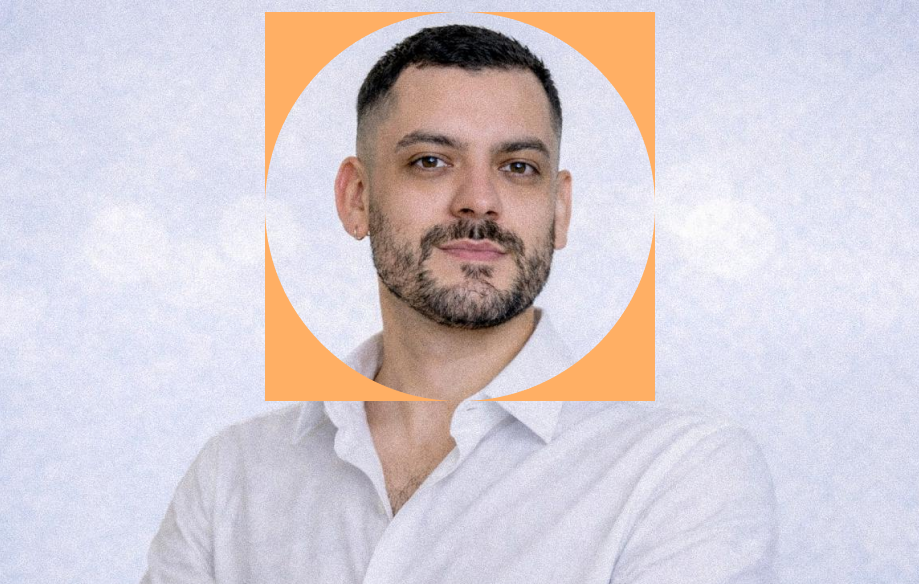
Marcos Wesley Pedroso
Photo: Personal Archive
The 30th United Nations Climate Change Conference (COP30) took place in the city of Belém, in the state of Pará, from November 10 to 21, 2025.
Stage for 56 decisions adopted by consensus among participating countries, covering issues such as adaptation and financing, the conference delivered important outcomes while also producing negotiations that fell short, especially due to the lack of agreement on including fossil fuels in the final text.
Between the frustrations and advances that are expected to guide global climate action in the coming years, the Executive Report of the United Nations Climate Change Conference, released in March 2026, reaffirms the commitment of the countries that are party to the Paris Agreement to keeping global warming below 1.5°C - a goal that makes a path focused on implementing and strengthening climate action all the more essential.
For Brazil, that path runs up against the way Brazilians experience the climate crisis, shaped in large part by longstanding inequalities. Crafting narratives capable of competing for attention with other social urgencies that are more immediately recognizable - such as public safety and health - demanded intense preparation from Brazil’s climate community, especially from professionals dedicated to developing messages aimed at reaching public opinion in the lead-up to the conference.
This preparation became more concrete in 2024, underscoring the opportunity for the country to reaffirm its role in climate negotiations while also seeking to connect the global climate agenda with local realities and strengthen emerging leadership.
Marcos Wesley Pedroso, Political and Institutional Advisor to the COP30 Committee, a civil society coalition, explains that the period leading up to the conference was, in itself, a strategic process of political formation and leadership development.
“By bringing the climate debate forward and extending it beyond the event itself, it became possible to challenge narratives, broaden perspectives, and build bridges between global agendas and local realities, especially by listening to and directly involving actors from Amazonian territories,” he reflects. He explains that the preparations opened pathways for new leaders to step into spaces of political influence, institutional dialogue, and strategic content production. “This movement helped shift the climate agenda from an overly technical field to a political and territorial one, where the climate crisis is understood through its concrete impacts on people’s lives, ways of being, and rights,” he says.
Founder of Tapajós de Fato, an alternative and independent media outlet, and an activist for the climate and socio-environmental agenda, Marcos notes that COP30 helped drive this shift and brought the climate debate closer to people.
“There was a clear increase in conversations about the climate emergency outside specialized spaces, both in traditional media and in informal exchanges. Even if unevenly, the topic began circulating more frequently in news programs, opinion columns, and everyday conversations, often linked to the extreme events experienced recently. This shift marks an important step forward: the climate crisis is beginning to be recognized not only as a scientific and environmental debate, but as a social, economic, and political issue that cuts across people’s daily lives,” he observes.
For Marcos, strategic communication plays a central role in bringing the climate agenda closer to people and breaking the perception that the COP is limited to technical negotiations and decisions made by only a few actors. He adds that communication also strengthens political influence by amplifying voices from the territories, producing high-quality inputs, and sustaining pressure beyond the days of the conference. “Strategies that combine journalism, digital mobilization, data production, territorial narratives, and engagement with the media expand the capacity to monitor and demand the commitments that are made. By turning the COP into a continuous process rather than a single event, strategic communication helps create the political and social conditions needed to drive more concrete, trackable climate actions aligned with both global and local urgencies.”
According to Marcos, COP30 opened pathways for this process to continue, especially through the expanded presence of voices that have historically been marginalized. “This created more favorable conditions for solutions rooted in local knowledge to be recognized as a legitimate part of the climate debate. The more organized presence of Indigenous peoples, traditional communities, women, youth, and territorial leaders challenged the notion that responses to the climate crisis must come exclusively from technical or technological models developed outside the territories,” he says.
The mobilization of diverse groups and peoples helped solidify the idea of a “people’s COP,” demonstrating that many of the solutions for the climate agenda are rooted in the territories and making clear that social participation is essential for moving this agenda forward. “Creating a space for coordination among civil society, social movements, Indigenous peoples, researchers, and decision-makers allows for alliances that extend well beyond the event itself,” Marcos says, noting that this has resulted in the consolidation of networks, coordination methods, and advocacy processes that remain active long after the conference.
Although the mobilization in Belém yielded meaningful results, Marcos points out that the COP still operates within an “overly institutional and diplomatic” logic - one that is not easily accessible and remains distant from most people. “Many agreements lack real mechanisms for implementation, financing, and accountability, which leads to frustration and distrust. Added to this is the strong presence of economic interests that, at various moments, dilute the level of ambition needed to confront the structural causes of the climate crisis. When the COP fails to engage honestly with the territories and to translate commitments into concrete change, it risks becoming just another grand stage for speeches, with little impact on real life,” he concludes.

Marcos Wesley on a panel discussing the risks and challenges of advancing the climate agenda through popular communication
Photo: Courtesy of Marcos Wesley