

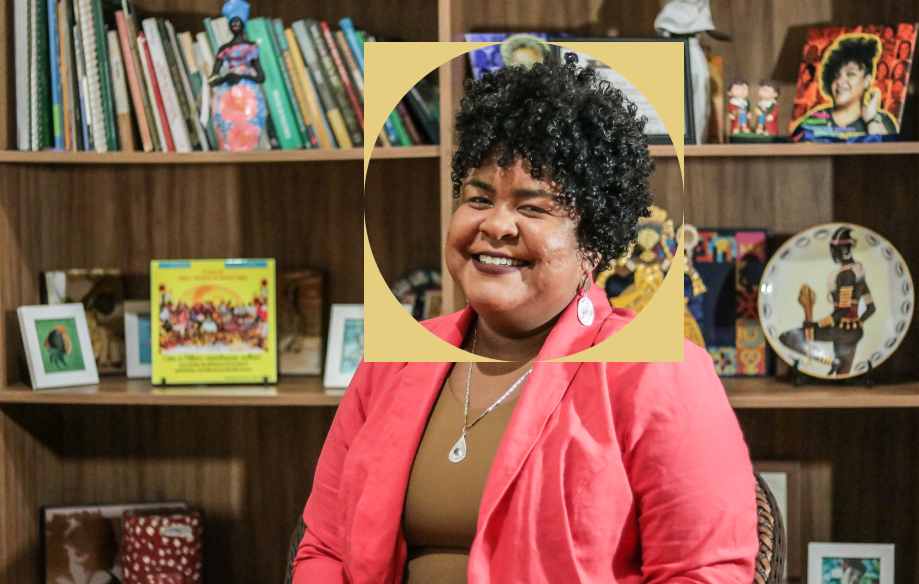
Words that move people: a conversation with Alane Reis
"They instilled in me a love for Blackness and everything that comes with it." Alane Reis traces a journey that begins in Bahia, takes shape within Black women's movements, and culminates in her work leading communications for the Marcha das Mulheres Negras, which brought around 300,000 people to the streets of Brasília.

Ronan Lima builds bridges between racial and climate justice
Ronan Lima reflects on how Movimento Negro Evangélico (MNE) promotes antiracist practices within and beyond church life, while mobilizing evangelical communities to engage with climate justice and understand the political dimensions of the catastrophes and emergencies shaping this agenda.

Thais Lazzeri and information integrity beyond COP30
Reflecting on climate disinformation, Lazzeri discusses the landmark moment when information integrity became recognized as essential to effective climate governance and was included, for the first time, in the COP's final outcome document, opening the door to more strategic conversations on the issue.
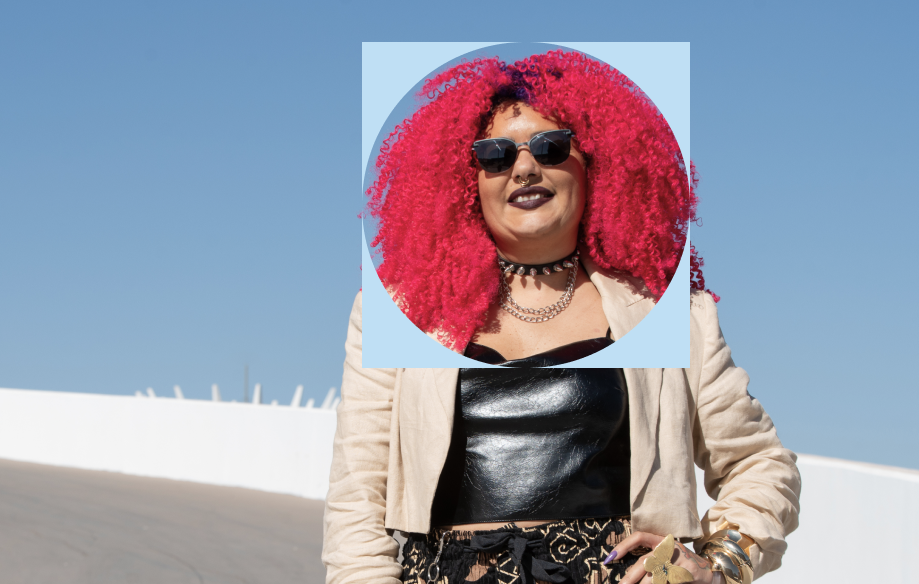
Culture as infrastructure for change: a conversation with Jaqueline Fernandes
President of Instituto Afrolatinas, Jaqueline Fernandes reflects on why the Marcha das Mulheres Negras chose culture as a central pillar of its mobilization strategy and how that decision helped translate complex issues into narratives that resonated with diverse audiences.

Understanding Brazil through its faith communities: a conversation with Ana Carolina Evangelista
For this ISER researcher, to speak of religiosity in Brazil is, ultimately, to speak of the country itself. Examining today's landscape of religious diversification and transition, she explores how these transformations help explain the growing role of faith communities in areas such as politics, culture, and the audiovisual sector.
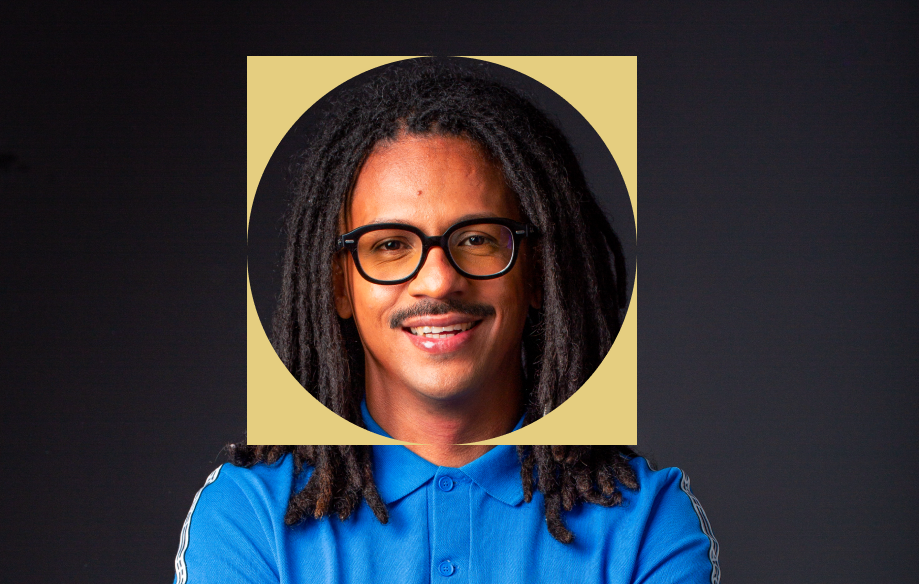
Relearning the future: culture, climate, and lessons from the Amazon
Founder and director of Instituto Psica, Jeft Dias reflects on how the intersection of art, politics, and culture can help us relearn the future. A learning rooted in Amazonian peoples, who for generations have rehearsed ways of living with the forest, with time, and with one another.
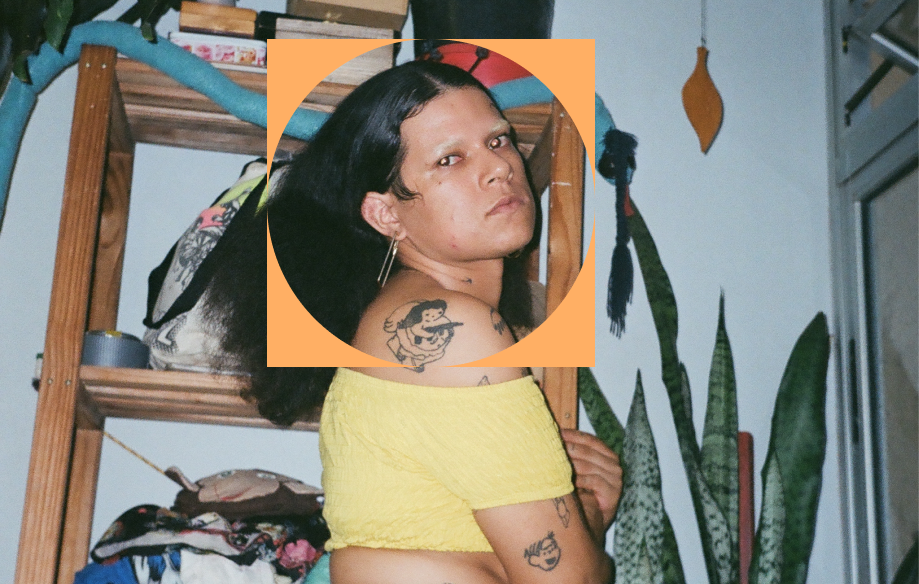
In the ballroom, a word stops being a code and becomes belonging
Yná Kabe Rodríguez Olfenza reflects on how ballroom culture was woven into the Marcha das Mulheres Negras por Reparação e Bem Viver, revealing the transformative power of bringing together Black cisgender women, transgender women, and travestis.
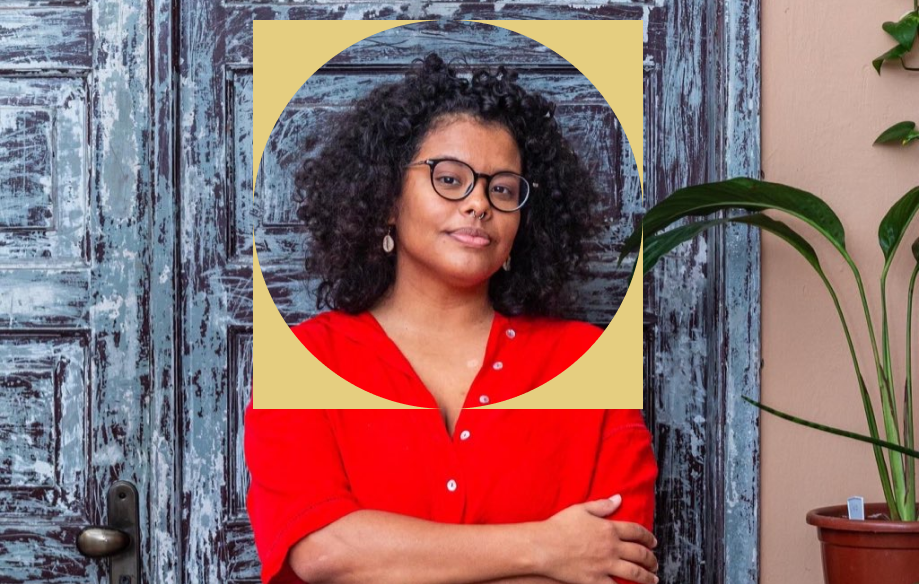
Luciana Petersen and the common ground faith communities create in Brazil
Executive Director of Novas Narrativas Evangélicas, with a master's degree in digital communication, Petersen reflects on building new narratives by inhabiting the cracks of oppressive systems and on the possibility of living a faith and spirituality grounded in justice, diversity, and collective dreams.
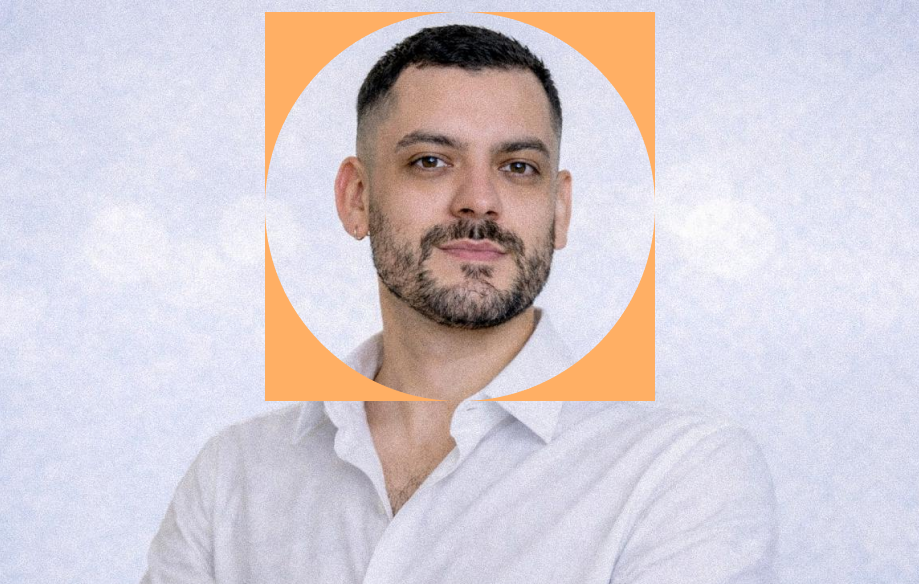
Climate solutions that begin in place: a conversation with Marcos Wesley Pedroso
Founder of Tapajós de Fato and an advisor to the COP30 Committee, Pedroso reflects on why the climate crisis must be understood not only as a scientific and environmental issue, but also as a social, economic, and political reality that shapes people's everyday lives.
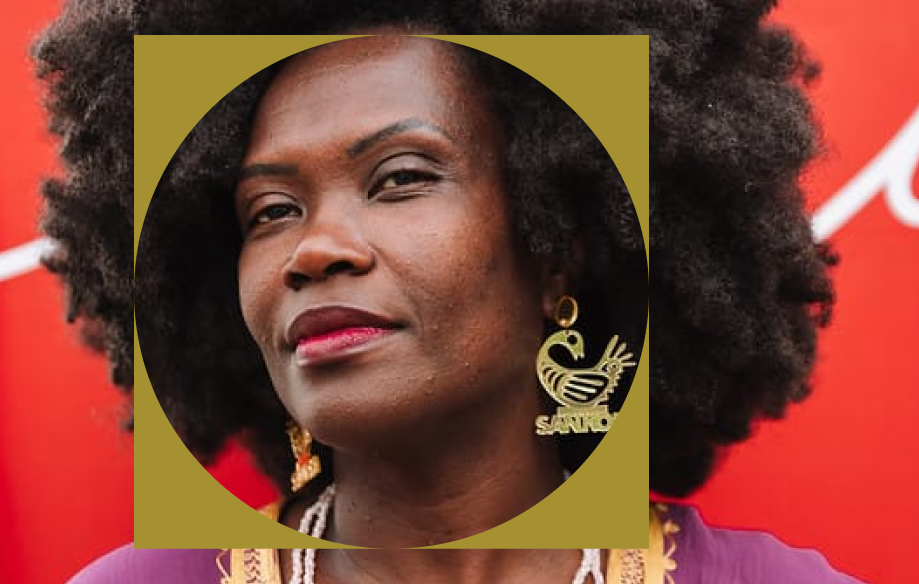
When a quilombola woman falls, the quilombo rises with her
Selma dos Santos Dealdina Mbaye reflects on the climate committee of the Marcha das Mulheres Negras and the connections between territory, identity, and climate justice.