

DiaTV’s multimedia strategies inspire conversation on youth and digital culture at ICCI event
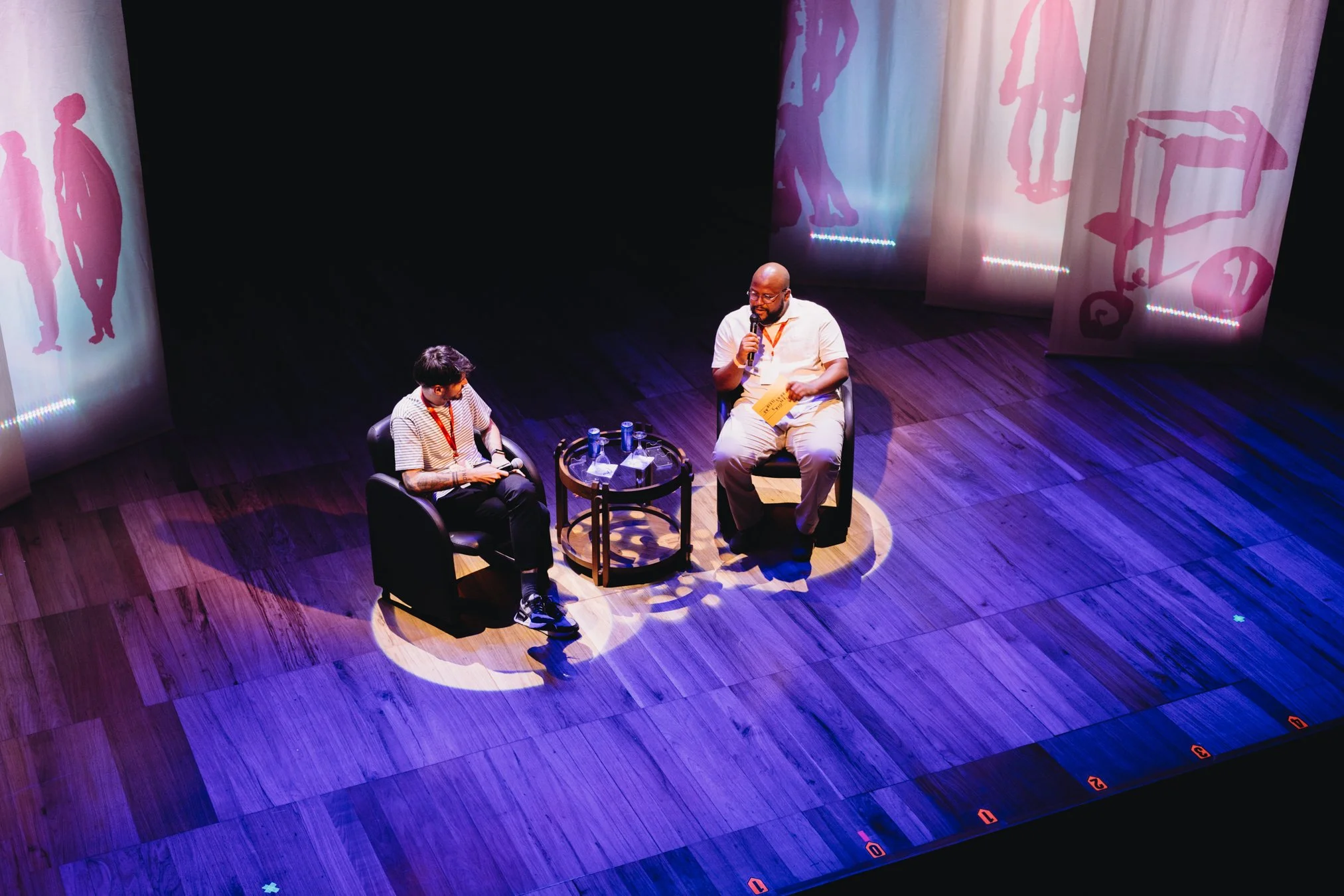
How do you connect with a generation that is constantly online, but whose attention is divided across multiple screens, formats, and platforms? That was one of the questions explored during the participation of Felipe Alfieri, Content and Programming Director at DiaTV, at ICCI’s “Brazilian Audiences” event in Rio de Janeiro.
During the panel “What’s Said, What’s Heard: Youth and Digital Culture,” moderated by Programmatic Coordinator Jackson Augusto, Felipe spoke about digital behavior, content consumption, and the challenges of creating TV programming for Gen Z audiences in Brazil.
With a predominantly young, female, and LGBTQIA+ audience, DiaTV has become an important reference for understanding how younger generations engage with and consume content. The digital network offers free 24/7 programming across YouTube, FAST channels, and free streaming platforms available on smart TVs.
According to Felipe, understanding younger audiences requires going beyond traditional audience metrics. While Gen Z represents a significant part of DiaTV’s viewership, it also challenges conventional models of programming and audience retention.
“It’s the hardest generation to understand because it’s so diverse. There’s a divide between those who experienced life offline and those who are digital natives. The real challenge is figuring out how to capture and keep the attention of a generation that is fragmented and constantly moving across platforms. For DiaTV, multimedia strategies are essential.”
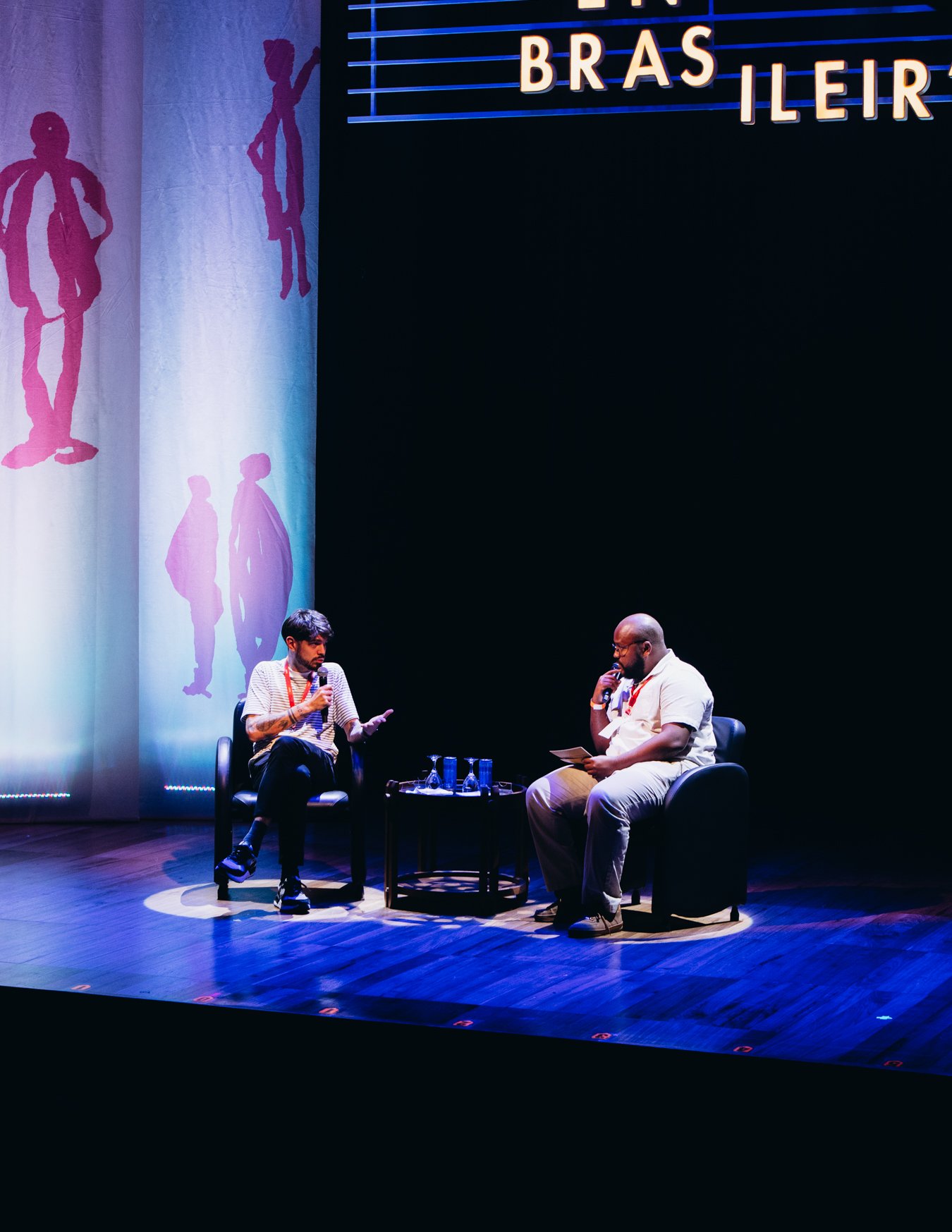
During the conversation, Felipe also answered questions from the audience about gender, behavior, and progressivism. He explained that DiaTV’s programming strategy takes into account differences in how audiences consume content, including the perception that young women tend to express more progressive views than men in the same age group.
This understanding of different audiences directly shapes formats designed to make conversations around democracy, social justice, and other issues feel more relatable and connected to everyday life. One example mentioned during the panel was DiaTV’s live show “Pra Variar,” which focuses on culture, behavior, and well-being while incorporating journalistic elements without relying on the rigid format traditionally associated with television news, often seen by younger audiences as distant and unrelatable.
Felipe also highlighted the diversity of both DiaTV’s audience and the people behind the network. Young Black people, people from Brazil’s urban peripheries, LGBTQIA+ communities, university students, and people connected to cultural, religious, and Afro-Brazilian spiritual communities are among the groups that watch the network. Its on-air talent includes personalities such as Lorelay Fox, Edu Camargo and Fih Oliveira from Diva Depressão, Bárbara Bielo, Felipe Goldenboy, Luan Iaconis, Foquinha, Tatá & Olive from Dragbox, alongside established names from traditional television, including Mônica Martelli.
Throughout the panel, Felipe shared examples of how DiaTV hosts use strategic communications to make more complex issues feel accessible to wider audiences. For Felipe, any strategy aimed at expanding conversations around issues such as climate, democracy, and justice needs to start with understanding the differences between audiences and translating data about youth behavior and values into accessible formats. As DiaTV continues expanding its range of formats, Felipe said the digital channel will, for the first time, have a correspondent based in Brasília, Brazil’s capital, to cover politics and make political discussions more accessible to audiences more familiar with pop culture, lifestyle, and entertainment content.
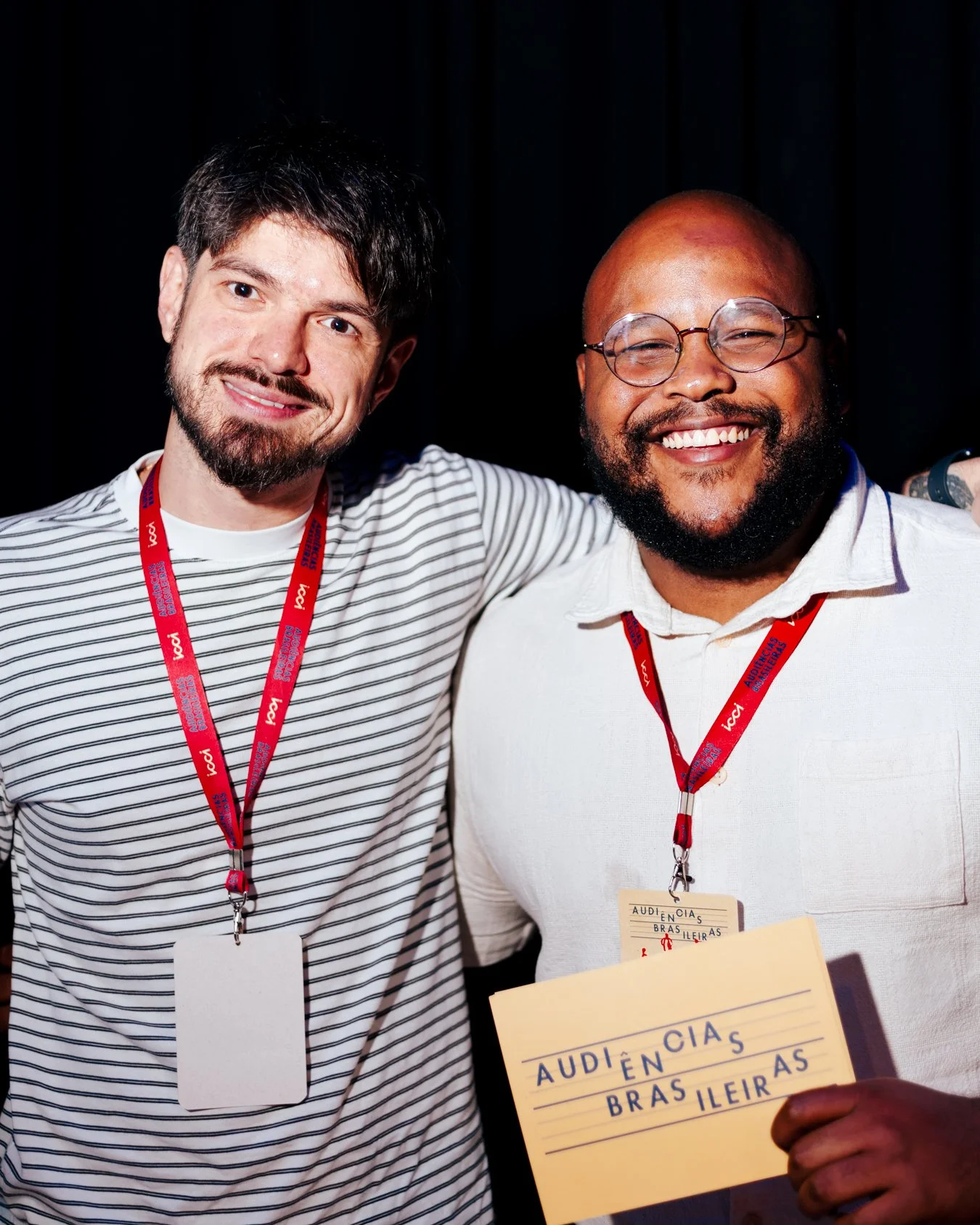
Read more about the “Brazilian Audiences” event here.
Photos by Pyetra Salles.