

Emicida discusses culture and public mobilization at ICCI event
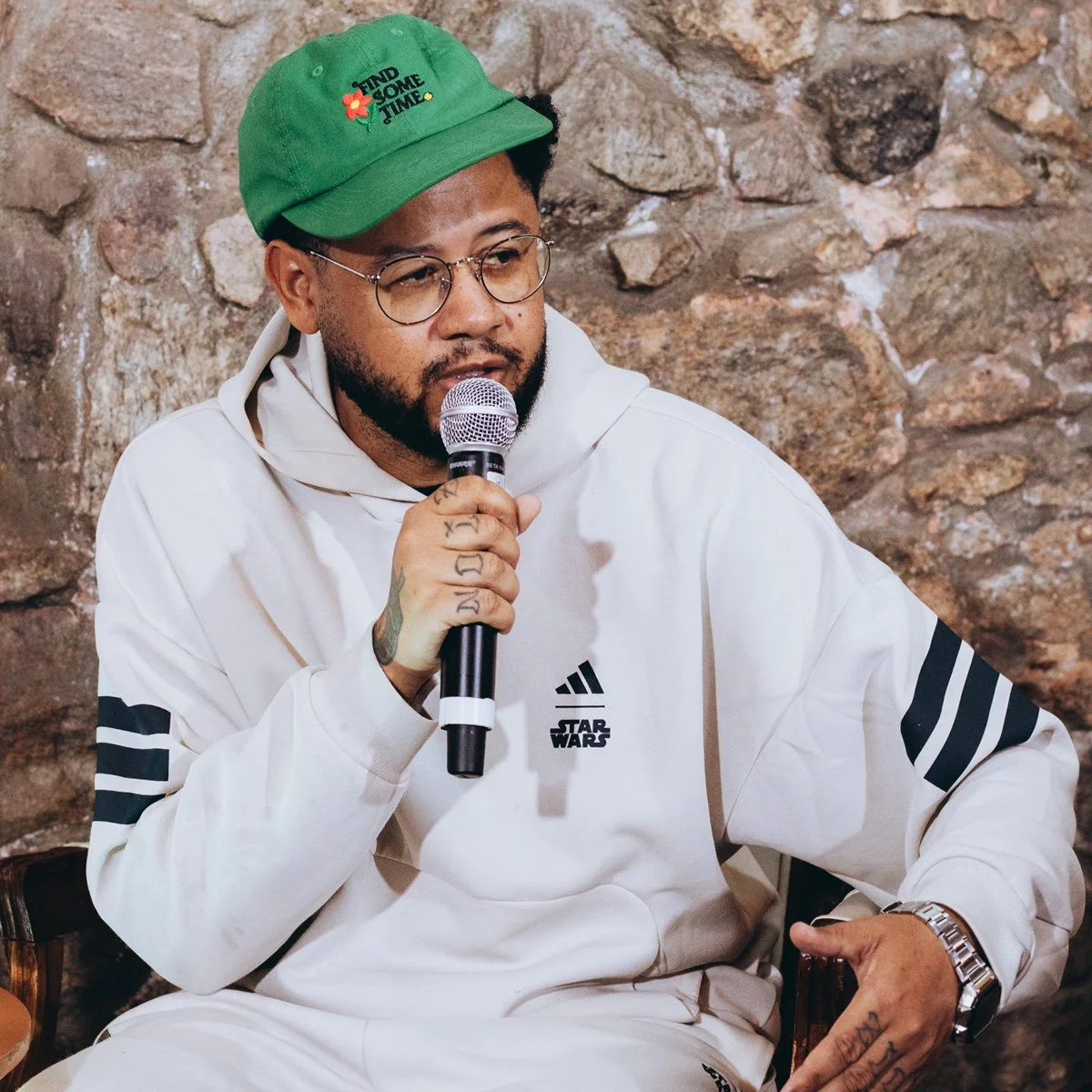
Emicida, who took part in one of the panels, spoke about the role of culture and public mobilization in building power. The discussion, moderated by Jheniffer Ribeiro, from ICCI, took place in Rio de Janeiro on February 9, 2026, and focused on culture as a political and social force that sustains ways of life and strengthens a sense of belonging and democratic participation.
Emicida said there is no better place than Brazil at this moment to advance ideas with the potential to address complex challenges, and that it all comes down to people. “We can do this while looking honestly at all the tragedies we have already produced, but with a clear awareness of the beauty we are still capable of creating, much of which lives within ourselves,” he added, highlighting the role of creativity in transforming society. “Our inspiration will become increasingly important, because it’s something AI cannot reach.”
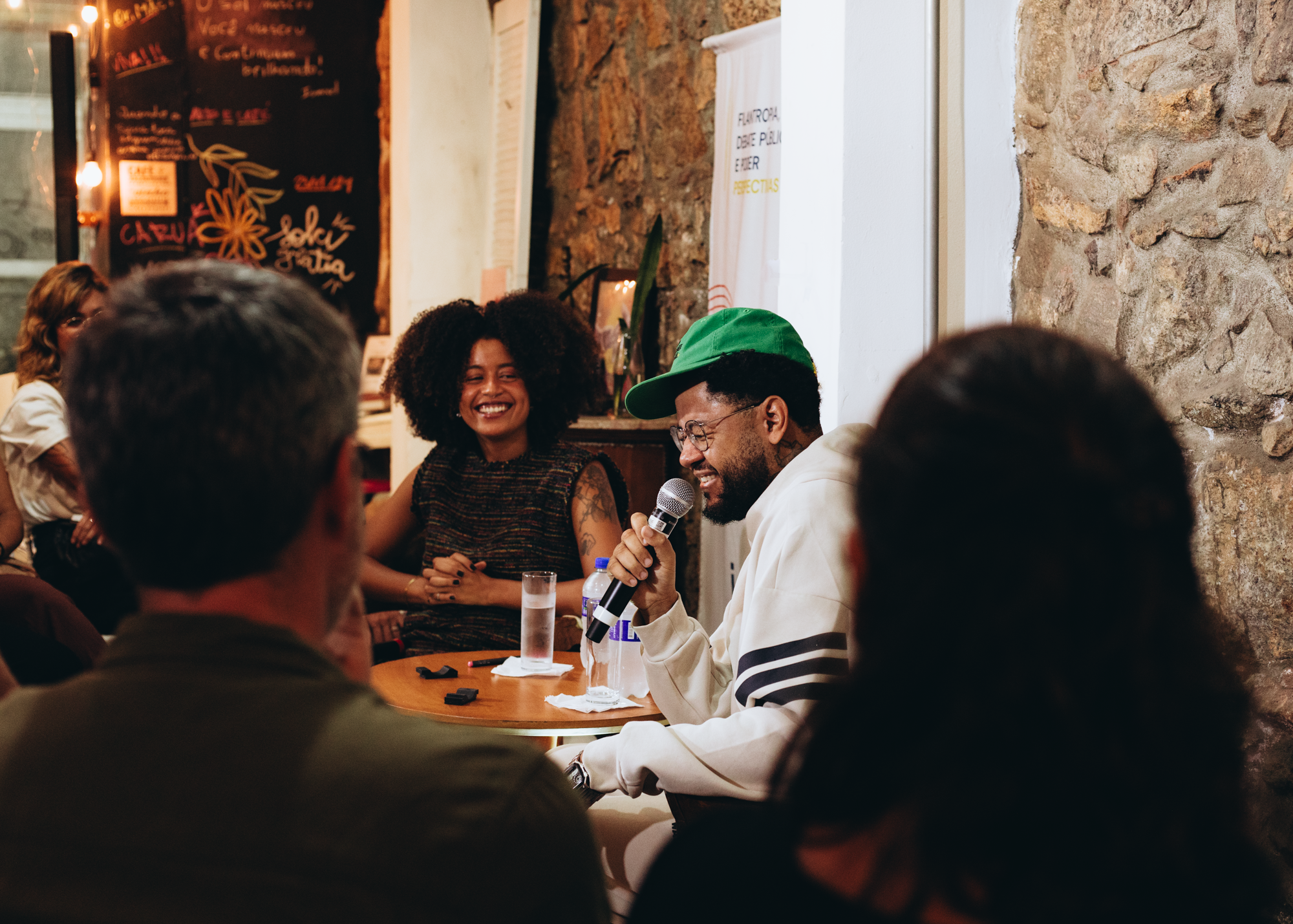
Speaking about the role of philanthropy and civil society organizations in strengthening cultural agendas in Brazil, Emicida emphasized the importance of dialogue across sectors. “We need to bring our knowledge together to build the future we want. I need to introduce many of my friends to many of yours. It’s time to turn the tables. When inequality decreases, society as a whole improves.”
Emicida also highlighted the potential of hip hop as a form of collective intelligence and a force for social transformation. “Hip hop has a history of around 50 years. It’s a youth culture that is often treated in a very superficial way,” he said. “But it offers many possibilities, especially in Brazil, because of the social intelligence we have developed here to overcome trauma and confront inequality.”
For Emicida, the commitment to overcoming inequality must be collective, and his own story reflects that. “I come from the favela, and today there is an entire form of capital that flows through me,” he said, reflecting that while producing progress matters, being able to distribute it matters even more. “My generation may be one of the last to truly understand the value of dreaming. That’s why we need to bring our intelligence together to reduce inequality.”
In the discussion, culture emerged as a force to bridge distances and mobilize people. “As important as numbers are, we need to commit to ideas,” said Emicida. “And for that, I don’t see anything more important than people, in their professional roles, coming together and being in conversation more often, as we are doing here today.” He added that he has been exploring ways to structure this dialogue through projects. “That kind of engagement with philanthropy requires breaking down the barriers that still exist.”
Reflecting on the kind of Brazil these different sectors need to build together, Emicida assessed that the country presents challenges, but also offers incentives for shaping a more equitable reality. “I believe being Brazilian means living with contradictions, but we can greatly improve the quality of those contradictions," he said. “It’s 2026, and spaces need to look more like this, because I can’t be the only one in the room. We need to be proud of how far we’ve come and stand by where we come from.”
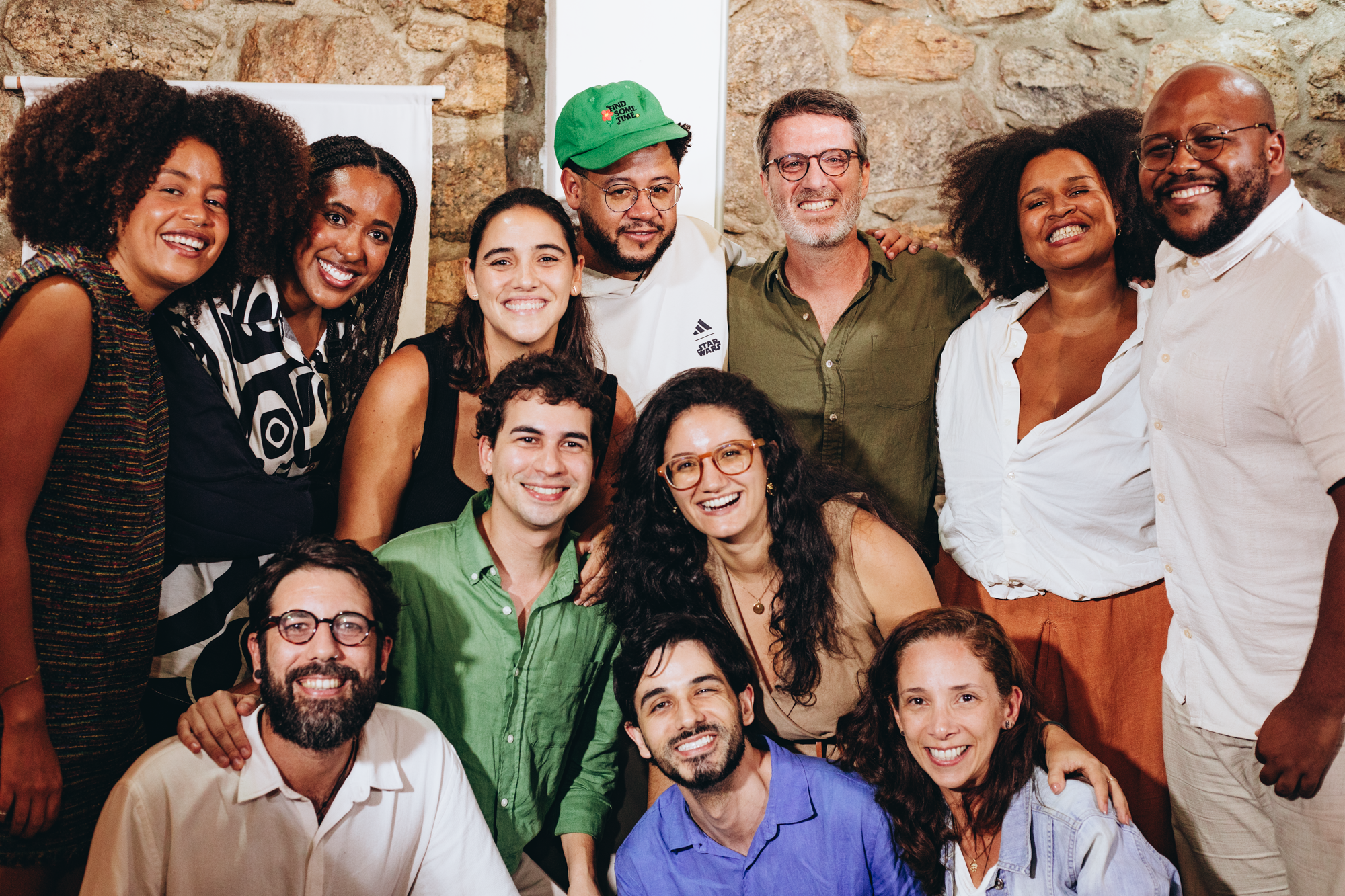
Photos by Pyetra Salles.