

The Invisible Brazil: study reveals openings for dialogue in a polarized society
More in Common has just released The Invisible Brazil (O Brasil Invisível), a study based on 10,000 interviews. The research combines qualitative and quantitative methods with clustering techniques to map Brazilian society through six social segments: Activist Progressives, Mainstream Left, the Disengaged, the Cautious, Outraged Patriots, and Traditionalist Conservatives. The analysis clarifies the range of values and worldviews across the country and explains the dynamics of political polarization in Brazil.
Speaking at a panel during the study’s launch in Rio de Janeiro, Ana Carolina Lourenço, ICCI’s Programmatic Director, reflected on how the research helps clarify what characterizes a cohesive society, especially in contrast to today’s polarized landscape. The findings show that, to varying degrees, all segments express distrust in the political system, a significant challenge given that social cohesion depends on politics and its organizing capacity. The study also points to areas of convergence among the groups interviewed, suggesting that revisiting shared cultural foundations and values can help reconnect democracy to everyday life and enable more persuasive public conversations that strengthen social bonds and rebuild trust.
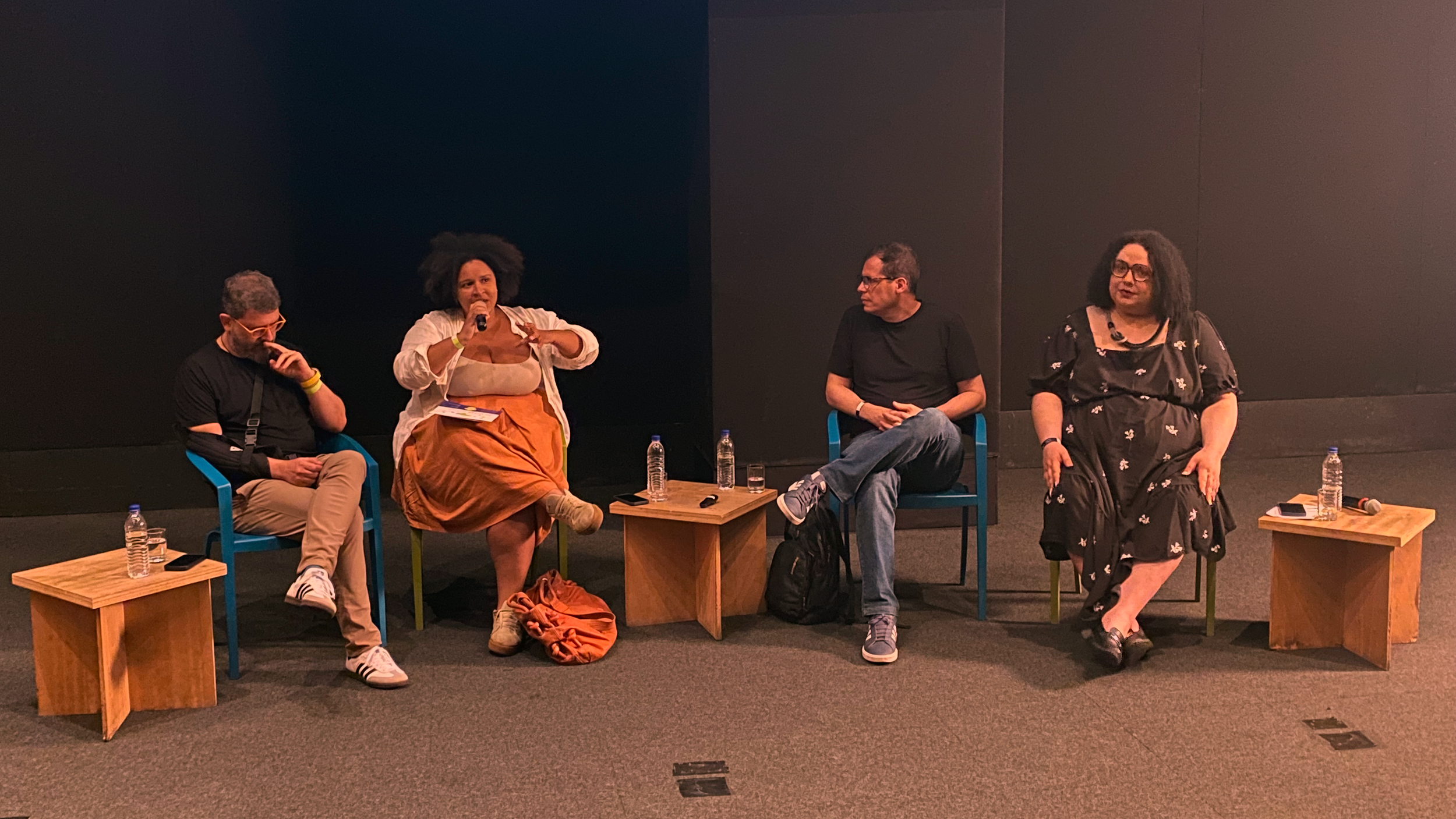
Pedro Doria (Meio), Carol Lourenço (ICCI), Pablo Ortellado and Helena Vieira (More in Common)
The study draws on original data on culture wars, trust in institutions, electoral integrity, media consumption, education and universities, religion, and work to show that Brazil’s political debate has shifted in recent years from economic issues to moral ones. This shift has placed symbolic disputes over values as a central feature of national politics. The findings also show that emotional factors have become central to political conflict. When people align their political identity with factors such as religion, class, and party affiliation, they are more likely to perceive opposing groups as threats to their own existence.
Despite these tensions, the research suggests that many Brazilians are open to talking about proposals that would improve everyday life, including healthcare, jobs, public safety, and education. The study finds that 75% of Brazilians say they have more in common than differences. It also finds that 90% feel proud to be Brazilian and that 90% believe political parties should work together to solve real problems.
The challenges are significant, but by identifying openings for dialogue and areas of convergence, More in Common’s research offers tools to move forward in building a more democratic and cohesive Brazil.